Buy facepages.eu ?
We are moving the project
facepages.eu .
Are you interested in purchasing the domain
facepages.eu ?
domain@kv-gmbh.de · 0541-91531010
Buy facepages.eu ?
What were the Reformation and Counter-Reformation?
The Reformation was a 16th-century movement within Christianity that aimed to reform the Roman Catholic Church. It was led by figures such as Martin Luther, John Calvin, and Huldrych Zwingli, who sought to address corruption and abuses within the Church. The Counter-Reformation, on the other hand, was the Catholic Church's response to the Reformation. It involved efforts to reaffirm and strengthen Catholic doctrine, as well as to address some of the criticisms raised by the reformers. The Council of Trent, held between 1545 and 1563, was a key event in the Counter-Reformation, as it outlined reforms and clarified Catholic teachings. **
What was the Reformation and the Counter-Reformation?
The Reformation was a 16th-century movement in Europe that sought to reform the Roman Catholic Church and resulted in the creation of Protestantism. It was sparked by Martin Luther's 95 Theses, which criticized the Church's practices and teachings. The Counter-Reformation was the Catholic Church's response to the Reformation, aiming to address the issues raised by the reformers and to reassert the Church's authority. It included efforts to reform the Church from within, as well as the establishment of the Inquisition to combat heresy. **

Similar search terms for Reformation-Second-Edition
Top-Angebote
Products related to Reformation-Second-Edition:
-
Rio Grande Games Dominion Hinterlands 2nd Edition Card Game Expansion - Second EditionExpand your Dominion game with Hinterlands 2nd Edition new Kingdom cards that add variety and strategic options to Dominion sessions. Requires existing Dominion base game. Designed for immediate effects when cards are bought or gained.32,39 £*Shipping: 3,95 £Secure redirect to the provider
-
Dominion: Intrigue (Second Edition) Expansion - Card Game for Adults & KidsExpand your Dominion collection with updated Intrigue content designed for second edition play. Includes revised Kingdom cards and new additions. Requires compatible base game.32,69 £*Shipping: 3,95 £Secure redirect to the provider
-
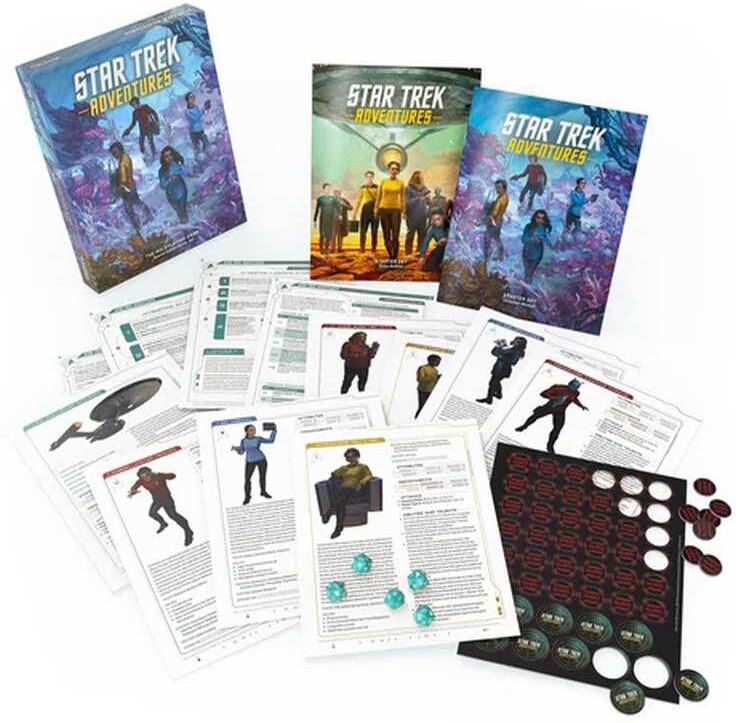
Star Trek Adventures Second Edition Roleplaying Game Starter Set for ModiphiusBegin your Star Trek Adventures journey with the Second Edition Roleplaying Game Starter Set from Modiphius. This set is designed to help new players get started quickly, and includes the rules and materials needed to guide a crew through an introductory campaign. The set includes a 48-page rules booklet introducing the 2d20 system adapted for Star Trek Adventures, a 60-page campaign booklet featuring the three-part Infinite Combinations campaign, a Constitution-class U.S.S. Challenger ship sheet, seven player character sheets, four double-sided rules reference sheets, five twenty-sided dice, and momentum, threat, and determination tokens for use during play. The campaign is designed for a crew of 3–7 player characters, making this set a practical starting point for group play. Explore unfamiliar worlds, encounter alien civilizations, and face dramatic decisions as your crew begins its journey through the Star Trek universe.24,01 £*Shipping: 3,95 £Secure redirect to the provider
-
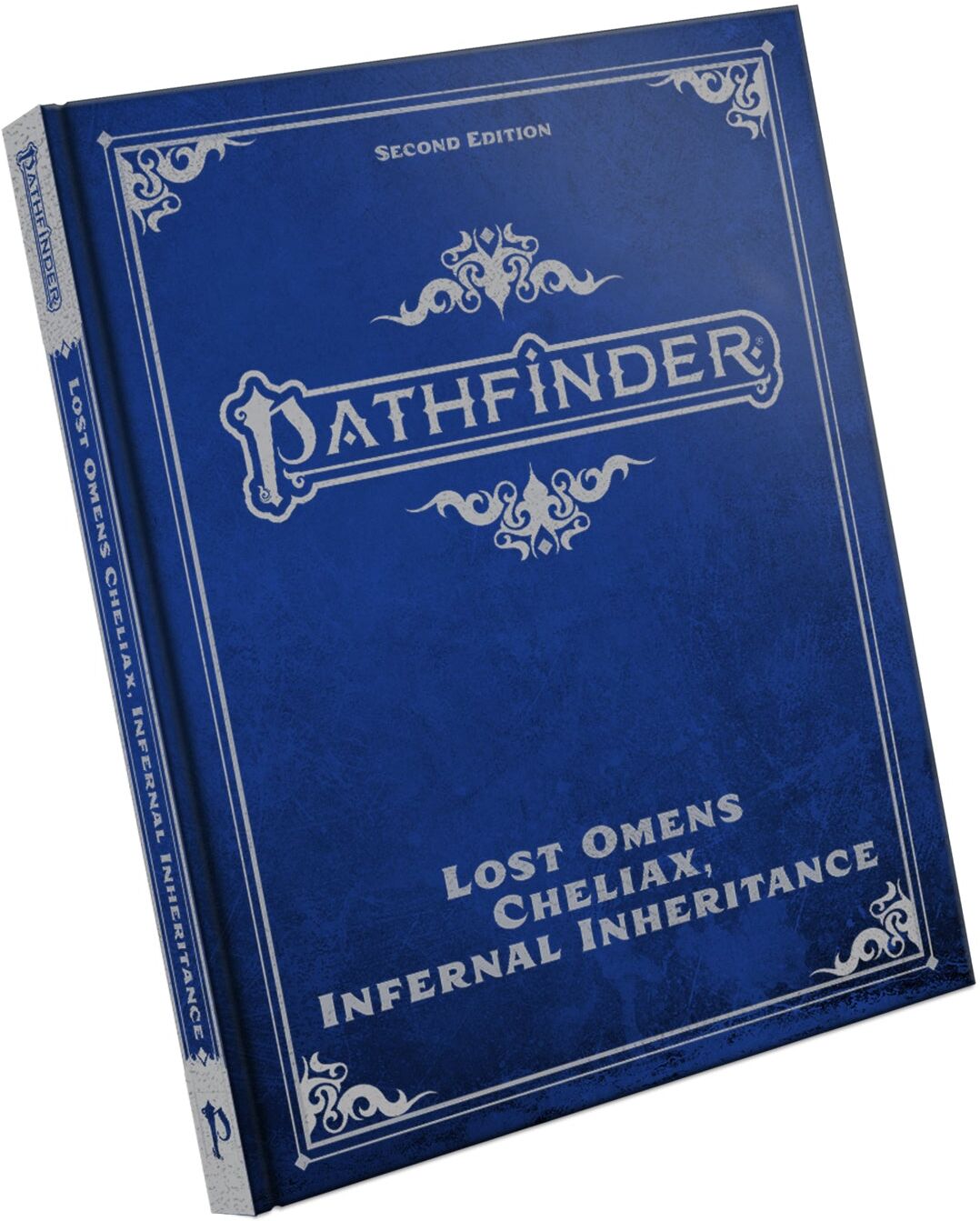
Paizo Publishing Pathfinder Lost Omens Cheliax, Infernal Inheritance: Special Edition Deluxe Regional Gazetteer for Pathfinder Second Edition CampaignsExplore a nation shaped by infernal power. Lost Omens Cheliax, Infernal Inheritance: Special Edition is a deluxe regional gazetteer for Pathfinder Second Edition campaigns. It provides a richly detailed sourcebook that delves into the history, cultures, and current events of Cheliax, Corentyn, Isger, Nidal, Ravounel, and Scorchhome. Each regional entry introduces a significant city that can become the setting for new adventures, mysteries, and conflicts. The book also includes additional character options to support fresh Pathfinder characters and campaign ideas, as well as a fold-out poster map for reference and display. The special edition features a deluxe hardcover format with a faux-leather binding, metallic debossed cover detailing, and a bound-in ribbon bookmark.72,49 £*Shipping: 0,00 £Secure redirect to the provider


-
Why were numerous universities founded during the Reformation and Counter-Reformation era?
Numerous universities were founded during the Reformation and Counter-Reformation era because of the increased demand for education and the need to train clergy and scholars in the theological and philosophical debates of the time. The Reformation led to a greater emphasis on the study of scripture and theology, prompting the establishment of Protestant universities to train ministers and scholars in these areas. On the other hand, the Counter-Reformation, led by the Catholic Church, also saw the founding of universities to educate clergy and counter the spread of Protestant ideas. Additionally, the printing press allowed for the dissemination of knowledge, leading to a greater demand for education and the establishment of more universities. **
-
Does the Princes' Reformation differ significantly from the People's Reformation under Luther?
Yes, the Princes' Reformation and the People's Reformation under Luther differ significantly. The Princes' Reformation was driven by political and economic motivations, as many German princes saw an opportunity to gain power and wealth by breaking away from the authority of the Catholic Church. On the other hand, the People's Reformation was more focused on religious and spiritual concerns, with Luther's teachings resonating with the common people who were seeking a more personal and direct relationship with God. Additionally, the Princes' Reformation often involved the use of force and coercion to implement religious changes, while the People's Reformation was more grassroots and organic in nature. **
-
What is the second networking question?
The second networking question is typically about the candidate's experience with different networking protocols and technologies. This question aims to assess the candidate's knowledge of various networking protocols such as TCP/IP, DNS, DHCP, and their ability to troubleshoot network issues. The interviewer may also ask about the candidate's experience with different networking devices such as routers, switches, and firewalls, and their understanding of how these devices work together to create a functional network. **
-
What was the Counter-Reformation?
The Counter-Reformation was a period of Catholic resurgence in response to the Protestant Reformation. It was a movement within the Catholic Church to address the criticisms and challenges posed by the Protestant reformers. The Counter-Reformation involved efforts to reform the Church from within, combat heresy, and strengthen Catholic doctrine and practices. It also led to the founding of new religious orders, such as the Jesuits, to spread Catholicism and combat the spread of Protestantism. **
What is the difference between social media and social networking?
Social media refers to online platforms that allow users to create and share content with a wide audience, while social networking specifically focuses on connecting and interacting with other users within a specific community or group. Social media platforms like Facebook, Twitter, and Instagram enable users to share content with a broad audience, whereas social networking sites like LinkedIn and Meetup are designed to facilitate connections and interactions between individuals with common interests or goals. In essence, social media is a broader term that encompasses various online platforms for sharing content, while social networking is more focused on building relationships and connections within a specific community. **
How was it before the Reformation?
Before the Reformation, the Catholic Church held significant power and influence over many aspects of society in Europe. The Church was the dominant religious institution, with a strong hierarchy led by the Pope in Rome. It controlled religious practices, education, and even had a say in political matters. The Church also collected tithes and sold indulgences, which were seen as a way to reduce punishment for sins. However, there were also criticisms of the Church's practices, such as corruption among clergy members, the selling of indulgences, and the lack of access to religious texts for the common people. These criticisms eventually led to the Reformation, a movement that sought to reform the Catholic Church and ultimately resulted in the establishment of Protestantism as a separate branch of Christianity. **
Top-Angebote
Products related to Reformation-Second-Edition:
-
Osprey Games The King Is Dead: Second Edition Board Game - Game Name: The King is Dead: Second EditionStrategic board game of politics, influence, and power struggles set in Arthurian Britain. Players compete to shape the future of the kingdom as rival factions vie for control. Each decision can alter the balance of power, so careful planning and timing are essential. Build influence, manage alliances, and respond to changing circumstances as you work towards your chosen path to victory. Suitable for fans of political and area-influence gameplay.28,39 £*Shipping: 3,95 £Secure redirect to the provider
-
Rio Grande Games Dominion Hinterlands 2nd Edition Card Game Expansion - Second EditionExpand your Dominion game with Hinterlands 2nd Edition new Kingdom cards that add variety and strategic options to Dominion sessions. Requires existing Dominion base game. Designed for immediate effects when cards are bought or gained.32,39 £*Shipping: 3,95 £Secure redirect to the provider
-
Dominion: Intrigue (Second Edition) Expansion - Card Game for Adults & KidsExpand your Dominion collection with updated Intrigue content designed for second edition play. Includes revised Kingdom cards and new additions. Requires compatible base game.32,69 £*Shipping: 3,95 £Secure redirect to the provider
-
What were the Reformation and Counter-Reformation?
The Reformation was a 16th-century movement within Christianity that aimed to reform the Roman Catholic Church. It was led by figures such as Martin Luther, John Calvin, and Huldrych Zwingli, who sought to address corruption and abuses within the Church. The Counter-Reformation, on the other hand, was the Catholic Church's response to the Reformation. It involved efforts to reaffirm and strengthen Catholic doctrine, as well as to address some of the criticisms raised by the reformers. The Council of Trent, held between 1545 and 1563, was a key event in the Counter-Reformation, as it outlined reforms and clarified Catholic teachings. **
-
What was the Reformation and the Counter-Reformation?
The Reformation was a 16th-century movement in Europe that sought to reform the Roman Catholic Church and resulted in the creation of Protestantism. It was sparked by Martin Luther's 95 Theses, which criticized the Church's practices and teachings. The Counter-Reformation was the Catholic Church's response to the Reformation, aiming to address the issues raised by the reformers and to reassert the Church's authority. It included efforts to reform the Church from within, as well as the establishment of the Inquisition to combat heresy. **
-
Why were numerous universities founded during the Reformation and Counter-Reformation era?
Numerous universities were founded during the Reformation and Counter-Reformation era because of the increased demand for education and the need to train clergy and scholars in the theological and philosophical debates of the time. The Reformation led to a greater emphasis on the study of scripture and theology, prompting the establishment of Protestant universities to train ministers and scholars in these areas. On the other hand, the Counter-Reformation, led by the Catholic Church, also saw the founding of universities to educate clergy and counter the spread of Protestant ideas. Additionally, the printing press allowed for the dissemination of knowledge, leading to a greater demand for education and the establishment of more universities. **
-
Does the Princes' Reformation differ significantly from the People's Reformation under Luther?
Yes, the Princes' Reformation and the People's Reformation under Luther differ significantly. The Princes' Reformation was driven by political and economic motivations, as many German princes saw an opportunity to gain power and wealth by breaking away from the authority of the Catholic Church. On the other hand, the People's Reformation was more focused on religious and spiritual concerns, with Luther's teachings resonating with the common people who were seeking a more personal and direct relationship with God. Additionally, the Princes' Reformation often involved the use of force and coercion to implement religious changes, while the People's Reformation was more grassroots and organic in nature. **
Similar search terms for Reformation-Second-Edition
-
Star Trek Adventures Second Edition Roleplaying Game Starter Set for ModiphiusBegin your Star Trek Adventures journey with the Second Edition Roleplaying Game Starter Set from Modiphius. This set is designed to help new players get started quickly, and includes the rules and materials needed to guide a crew through an introductory campaign. The set includes a 48-page rules booklet introducing the 2d20 system adapted for Star Trek Adventures, a 60-page campaign booklet featuring the three-part Infinite Combinations campaign, a Constitution-class U.S.S. Challenger ship sheet, seven player character sheets, four double-sided rules reference sheets, five twenty-sided dice, and momentum, threat, and determination tokens for use during play. The campaign is designed for a crew of 3–7 player characters, making this set a practical starting point for group play. Explore unfamiliar worlds, encounter alien civilizations, and face dramatic decisions as your crew begins its journey through the Star Trek universe.24,01 £*Shipping: 3,95 £Secure redirect to the provider
-
Paizo Publishing Pathfinder Lost Omens Cheliax, Infernal Inheritance: Special Edition Deluxe Regional Gazetteer for Pathfinder Second Edition CampaignsExplore a nation shaped by infernal power. Lost Omens Cheliax, Infernal Inheritance: Special Edition is a deluxe regional gazetteer for Pathfinder Second Edition campaigns. It provides a richly detailed sourcebook that delves into the history, cultures, and current events of Cheliax, Corentyn, Isger, Nidal, Ravounel, and Scorchhome. Each regional entry introduces a significant city that can become the setting for new adventures, mysteries, and conflicts. The book also includes additional character options to support fresh Pathfinder characters and campaign ideas, as well as a fold-out poster map for reference and display. The special edition features a deluxe hardcover format with a faux-leather binding, metallic debossed cover detailing, and a bound-in ribbon bookmark.72,49 £*Shipping: 0,00 £Secure redirect to the provider
-
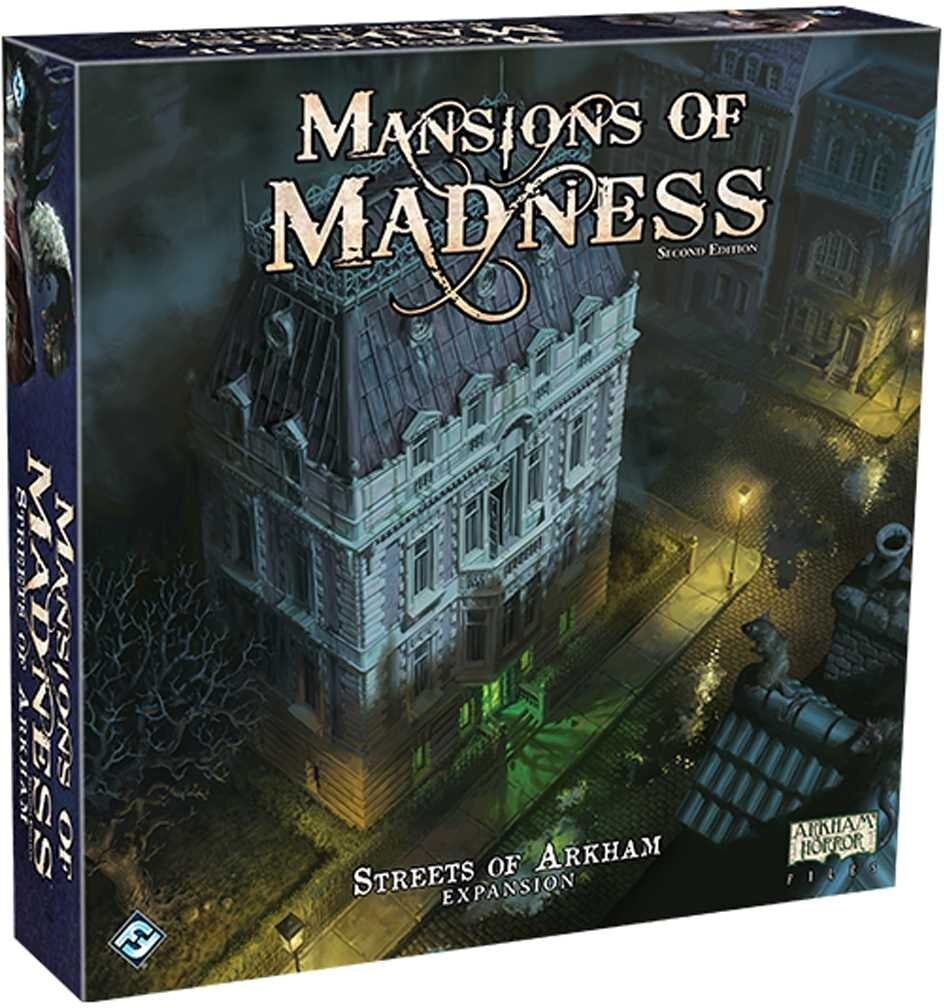
Fantasy Flight Games Mansions of Madness: Second Edition - Streets of Arkham Expansion - NewExpand your Mansions of Madness: Second Edition experience with Streets of Arkham, a sinister board game expansion set in the shadowy city of Arkham. This expansion introduces new mysteries across three digital scenarios, each supported by atmospheric locations, dangerous encounters, and evolving narrative challenges. You'll face new mysteries and horrors as investigators, with four new investigators to choose from, along with additional monsters, tiles, Mythos events, and gameplay elements. These components broaden the possibilities of the second-edition experience and add fresh combinations of exploration, investigation, and horror to your games. A copy of the core Mansions of Madness: Second Edition game is required to use this expansion, and digital scenario content is accessed through the compatible Mansions of Madness: Second Edition game.43,75 £*Shipping: 3,95 £Secure redirect to the provider
-
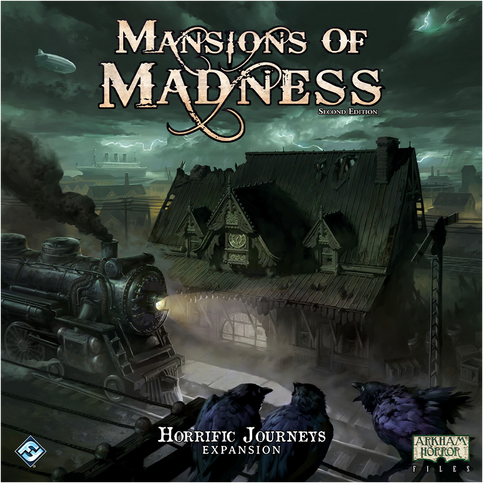
Fantasy Flight Games Mansions of Madness: Second Edition – Horrific Journeys Expansion - Board GameCooperative board game expansion adding supernatural mysteries and atmospheric locations for 1-5 players. Designed for ages 12+. Includes 68 cards, multicolour components, and supports German language rules.60,06 £*Shipping: 0,00 £Secure redirect to the provider
-
What is the second networking question?
The second networking question is typically about the candidate's experience with different networking protocols and technologies. This question aims to assess the candidate's knowledge of various networking protocols such as TCP/IP, DNS, DHCP, and their ability to troubleshoot network issues. The interviewer may also ask about the candidate's experience with different networking devices such as routers, switches, and firewalls, and their understanding of how these devices work together to create a functional network. **
-
What was the Counter-Reformation?
The Counter-Reformation was a period of Catholic resurgence in response to the Protestant Reformation. It was a movement within the Catholic Church to address the criticisms and challenges posed by the Protestant reformers. The Counter-Reformation involved efforts to reform the Church from within, combat heresy, and strengthen Catholic doctrine and practices. It also led to the founding of new religious orders, such as the Jesuits, to spread Catholicism and combat the spread of Protestantism. **
-
What is the difference between social media and social networking?
Social media refers to online platforms that allow users to create and share content with a wide audience, while social networking specifically focuses on connecting and interacting with other users within a specific community or group. Social media platforms like Facebook, Twitter, and Instagram enable users to share content with a broad audience, whereas social networking sites like LinkedIn and Meetup are designed to facilitate connections and interactions between individuals with common interests or goals. In essence, social media is a broader term that encompasses various online platforms for sharing content, while social networking is more focused on building relationships and connections within a specific community. **
-
How was it before the Reformation?
Before the Reformation, the Catholic Church held significant power and influence over many aspects of society in Europe. The Church was the dominant religious institution, with a strong hierarchy led by the Pope in Rome. It controlled religious practices, education, and even had a say in political matters. The Church also collected tithes and sold indulgences, which were seen as a way to reduce punishment for sins. However, there were also criticisms of the Church's practices, such as corruption among clergy members, the selling of indulgences, and the lack of access to religious texts for the common people. These criticisms eventually led to the Reformation, a movement that sought to reform the Catholic Church and ultimately resulted in the establishment of Protestantism as a separate branch of Christianity. **
* All prices are inclusive of VAT and, if applicable, plus shipping costs. The offer information is based on the details provided by the respective shop and is updated through automated processes. Real-time updates do not occur, so deviations can occur in individual cases. ** Note: Parts of this content were created by AI.