Buy facepages.eu ?
We are moving the project
facepages.eu .
Are you interested in purchasing the domain
facepages.eu ?
domain@kv-gmbh.de · 0541-91531010
Buy facepages.eu ?
What is Dutch vocal polyphony?
Dutch vocal polyphony is a style of music that emerged in the Netherlands during the Renaissance period. It is characterized by the use of multiple independent vocal lines, each with its own melody, rhythm, and text, creating rich harmonies and intricate textures. Dutch composers such as Jan Pieterszoon Sweelinck were known for their contributions to this genre, which was popular in both sacred and secular settings. The use of vocal polyphony allowed for a high level of expressiveness and complexity in the music, making it a significant part of the Dutch musical tradition. **
Can someone explain polyphony to me?
Polyphony is a musical texture that features two or more independent melodic lines played or sung simultaneously. Each line has its own rhythm and contour, and they interact with each other to create a rich and complex sound. Polyphony is often associated with Renaissance and Baroque music, and it requires a high level of skill and coordination from the performers to maintain the independence of the different voices. This texture contrasts with homophony, where all voices move together in harmony, and monophony, where there is only one melodic line. **

Similar search terms for Polyphony
Top-Angebote
Products related to Polyphony:
-
Fourth Estate The List by Yomi Adegoke - Sunday Times Bestseller - Paperback - Contemporary Social Media ThrillerThe List by Yomi Adegoke is a contemporary fiction novel published by Fourth Estate. It's a gripping thriller about reputation, betrayal, and the dark side of social media. The story follows high-flying journalist Ola Olajide as her seemingly perfect life unravels a month before her wedding, when an anonymous list resurfaces online with devastating consequences for her and her fiancé. The novel explores themes of identity, relationships, and the power of social media. A rising career, a loving fiancé, and a wedding just weeks away - Ola's life is turned upside down when she and her fiancé wake to the same unsettling message: 'Oh my god, have you seen The List?' A viral, anonymous document naming men accused of sexual misconduct has resurfaced online - and Michael's name is on it. As the countdown to the wedding continues, Ola is forced to confront the dark secrets of her fiancé and the true nature of their relationship.3,99 £*Shipping: 2,99 £Secure redirect to the provider
-
Rupa Publications India Unlocking Connections: Awkward to Awesome in Minutes by Dale Carnegie - Paperback Self-Help Book on Social Skills & Confidence - NewUnlocking Connections: Awkward to Awesome in Minutes is a practical self-help guide for anyone who finds social interactions daunting. Drawing on the enduring principles popularised by Dale Carnegie, this book breaks down the barriers that stop us forming genuine relationships, replacing awkwardness with confidence. Through clear, actionable advice, real-life case studies and simple exercises, readers are guided step by step towards more natural, meaningful conversations and lasting connections, both socially and professionally. Social interactions can feel like a minefield, but this book sets out to change that. It tackles the everyday hurdles that make conversations awkward, from misreading body language to freezing up in unfamiliar company. The book covers everything from understanding different personality types to overcoming phobias and building confidence in social situations.2,99 £*Shipping: 2,99 £Secure redirect to the provider
-
Nacon Garden Life: A Cozy Simulator for PlayStation 4 - Community Garden Simulation GameRestore a forgotten community garden in Garden Life: A Cozy Simulator for PlayStation 4. This relaxing single-player simulation lets you sow seeds, nurture distinctive plants, and shape a colourful outdoor retreat at your own pace. You can place plants and decorative objects freely without being restricted to a grid, and each plant grows through a procedural system, creating natural variations that respond to their surroundings. Water, fertilize, and clip your plants to keep the garden flourishing. Key features include transforming an abandoned plot into a thriving community garden, choosing between structured Story Mode and unrestricted Creative Mode, and discovering new seeds, tools, ornaments, and plant varieties. You can also complete gardening requests for friendly neighbours, sell flowers and bouquets to support your next garden project, and enjoy gentle sights and sounds in a peaceful setting. This physical PlayStation 4 edition is supplied on disc and carries a PEGI 3 age rating.37,39 £*Shipping: 3,95 £Secure redirect to the provider
-
All Categories Goods PVC Insert Tee Plastic Insert Fitting For Barbed Pipe Connections PVC Insert Tee Plastic Insert Fitting For Barbed Pipe ConnectionsIf you're a DIY enthusiast or a professional in need of a reliable solution for connecting PVC pipes, this 1 pc of PVC Insert Tee is designed just for you. Made from highquality, durable PVC material, it provides a secure and leakproof connection...39,97 $*Shipping: 0,00 $Secure redirect to the provider




-
What is the difference between polyphony and homophony?
Polyphony is a musical texture where two or more independent melodic lines are played simultaneously. Each line has its own rhythm and melody, creating a complex and layered sound. Homophony, on the other hand, is a musical texture where all voices or instruments move together in harmony, supporting a single melody. In homophony, there is a clear distinction between the melody and the accompanying parts, creating a more unified and harmonious sound. **
-
Can you explain the history of early polyphony?
Early polyphony emerged in Western music during the medieval period, around the 9th century. It involved the simultaneous singing of two or more independent melodic lines. Initially, early polyphony was primarily found in sacred music, particularly in Gregorian chant. Over time, composers began to experiment with adding additional voices and creating more complex harmonies, leading to the development of intricate polyphonic compositions. This marked a significant shift from the monophonic music of the early Middle Ages and laid the foundation for the rich polyphonic textures of the Renaissance period. **
-
What is the difference between polyphony and canon?
Polyphony refers to a musical texture where two or more independent melodic lines are played simultaneously. Each line has its own rhythm and melody, creating a rich and complex sound. On the other hand, a canon is a specific type of polyphonic composition where a melody is imitated by one or more voices at a fixed time interval. In a canon, the same melody is repeated by different voices, creating a layered and contrapuntal effect. While both polyphony and canon involve multiple independent voices, the key difference lies in the specific imitation of a melody in a canon. **
-
What does polyphony mean in a digital piano?
Polyphony in a digital piano refers to the number of individual notes or voices that the instrument can produce simultaneously. For example, if a digital piano has a polyphony of 64, it means that it can play up to 64 notes at the same time. This is important for more complex pieces of music that require multiple notes to be played at once, as a higher polyphony allows for a richer and more realistic sound. It is especially important for advanced players and composers who need to create intricate and layered compositions. **


What is the difference between homophony and polyphony?
Homophony is a musical texture in which a single melody is supported by a harmonic accompaniment, creating a clear distinction between the main melody and the supporting harmonies. Polyphony, on the other hand, is a musical texture in which two or more independent melodies are played or sung simultaneously, creating a more complex and layered sound. In homophony, all voices or instruments move together rhythmically, while in polyphony, each voice or instrument has its own rhythm and melodic independence. Overall, homophony emphasizes harmony and a clear main melody, while polyphony emphasizes the interplay of multiple independent melodies. **
What is the difference between social media and social networking?
Social media refers to online platforms that allow users to create and share content with a wide audience, while social networking specifically focuses on connecting and interacting with other users within a specific community or group. Social media platforms like Facebook, Twitter, and Instagram enable users to share content with a broad audience, whereas social networking sites like LinkedIn and Meetup are designed to facilitate connections and interactions between individuals with common interests or goals. In essence, social media is a broader term that encompasses various online platforms for sharing content, while social networking is more focused on building relationships and connections within a specific community. **
Top-Angebote
Products related to Polyphony:
-
Headline James Acaster's Guide to Quitting Social MediaTHE SUNDAY TIMES BESTSELLERThis is a self-help book like no other. Because you are not helping yourself, James Acaster is helping you.In 2019, James quit all forms of social media - covering his phone in tar and driving it to a lock-up in Rhyl, before setting up home in a castle he'd built himself called Castle Anti-Net. But when the withdrawal symptoms hit him, he realised in order to stay clean he'd have to replace everything social media gave him with three-dimensional, real-life activities.Employing the help of a mysterious, wealthy benefactor named Clancy Dellahue, and an ever-growing gang of misfits (aka the Tangfastic Crew), James found ways to replace his online friends (he joined the scouts) and spy on his exes (climbing ropes, zip lines, fake moustache) as well as anonymously bullying strangers, seeing photos of everyone's dogs, getting public figures fired, arguing with everybody about everything, and so much more.His life is amazing and yours could be too if you buy JAMES ACASTER'S GUIDE TO QUITTING SOCIAL MEDIA, BEING THE BEST YOU YOU CAN BE AND SAVING YOURSELF FROM LONELINESS VOL. 1.15,99 £*Shipping: 2,99 £Secure redirect to the provider
-
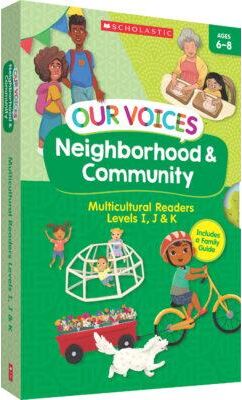
Our Voices: Neighborhood & Community Boxed SetFoster a feeling of belonging while building key reading skills with these colorful storybooks that spotlight a variety of neighborhoods and communities. The 10 charming stories feature characters from different cultural backgrounds who learn about...32,37 $*Shipping: 0,00 $Secure redirect to the provider
-
Fourth Estate The List by Yomi Adegoke - Sunday Times Bestseller - Paperback - Contemporary Social Media ThrillerThe List by Yomi Adegoke is a contemporary fiction novel published by Fourth Estate. It's a gripping thriller about reputation, betrayal, and the dark side of social media. The story follows high-flying journalist Ola Olajide as her seemingly perfect life unravels a month before her wedding, when an anonymous list resurfaces online with devastating consequences for her and her fiancé. The novel explores themes of identity, relationships, and the power of social media. A rising career, a loving fiancé, and a wedding just weeks away - Ola's life is turned upside down when she and her fiancé wake to the same unsettling message: 'Oh my god, have you seen The List?' A viral, anonymous document naming men accused of sexual misconduct has resurfaced online - and Michael's name is on it. As the countdown to the wedding continues, Ola is forced to confront the dark secrets of her fiancé and the true nature of their relationship.3,99 £*Shipping: 2,99 £Secure redirect to the provider
-
Rupa Publications India Unlocking Connections: Awkward to Awesome in Minutes by Dale Carnegie - Paperback Self-Help Book on Social Skills & Confidence - NewUnlocking Connections: Awkward to Awesome in Minutes is a practical self-help guide for anyone who finds social interactions daunting. Drawing on the enduring principles popularised by Dale Carnegie, this book breaks down the barriers that stop us forming genuine relationships, replacing awkwardness with confidence. Through clear, actionable advice, real-life case studies and simple exercises, readers are guided step by step towards more natural, meaningful conversations and lasting connections, both socially and professionally. Social interactions can feel like a minefield, but this book sets out to change that. It tackles the everyday hurdles that make conversations awkward, from misreading body language to freezing up in unfamiliar company. The book covers everything from understanding different personality types to overcoming phobias and building confidence in social situations.2,99 £*Shipping: 2,99 £Secure redirect to the provider
-
What is Dutch vocal polyphony?
Dutch vocal polyphony is a style of music that emerged in the Netherlands during the Renaissance period. It is characterized by the use of multiple independent vocal lines, each with its own melody, rhythm, and text, creating rich harmonies and intricate textures. Dutch composers such as Jan Pieterszoon Sweelinck were known for their contributions to this genre, which was popular in both sacred and secular settings. The use of vocal polyphony allowed for a high level of expressiveness and complexity in the music, making it a significant part of the Dutch musical tradition. **
-
Can someone explain polyphony to me?
Polyphony is a musical texture that features two or more independent melodic lines played or sung simultaneously. Each line has its own rhythm and contour, and they interact with each other to create a rich and complex sound. Polyphony is often associated with Renaissance and Baroque music, and it requires a high level of skill and coordination from the performers to maintain the independence of the different voices. This texture contrasts with homophony, where all voices move together in harmony, and monophony, where there is only one melodic line. **
-
What is the difference between polyphony and homophony?
Polyphony is a musical texture where two or more independent melodic lines are played simultaneously. Each line has its own rhythm and melody, creating a complex and layered sound. Homophony, on the other hand, is a musical texture where all voices or instruments move together in harmony, supporting a single melody. In homophony, there is a clear distinction between the melody and the accompanying parts, creating a more unified and harmonious sound. **
-
Can you explain the history of early polyphony?
Early polyphony emerged in Western music during the medieval period, around the 9th century. It involved the simultaneous singing of two or more independent melodic lines. Initially, early polyphony was primarily found in sacred music, particularly in Gregorian chant. Over time, composers began to experiment with adding additional voices and creating more complex harmonies, leading to the development of intricate polyphonic compositions. This marked a significant shift from the monophonic music of the early Middle Ages and laid the foundation for the rich polyphonic textures of the Renaissance period. **
Similar search terms for Polyphony
-
Nacon Garden Life: A Cozy Simulator for PlayStation 4 - Community Garden Simulation GameRestore a forgotten community garden in Garden Life: A Cozy Simulator for PlayStation 4. This relaxing single-player simulation lets you sow seeds, nurture distinctive plants, and shape a colourful outdoor retreat at your own pace. You can place plants and decorative objects freely without being restricted to a grid, and each plant grows through a procedural system, creating natural variations that respond to their surroundings. Water, fertilize, and clip your plants to keep the garden flourishing. Key features include transforming an abandoned plot into a thriving community garden, choosing between structured Story Mode and unrestricted Creative Mode, and discovering new seeds, tools, ornaments, and plant varieties. You can also complete gardening requests for friendly neighbours, sell flowers and bouquets to support your next garden project, and enjoy gentle sights and sounds in a peaceful setting. This physical PlayStation 4 edition is supplied on disc and carries a PEGI 3 age rating.37,39 £*Shipping: 3,95 £Secure redirect to the provider
-
All Categories Goods PVC Insert Tee Plastic Insert Fitting For Barbed Pipe Connections PVC Insert Tee Plastic Insert Fitting For Barbed Pipe ConnectionsIf you're a DIY enthusiast or a professional in need of a reliable solution for connecting PVC pipes, this 1 pc of PVC Insert Tee is designed just for you. Made from highquality, durable PVC material, it provides a secure and leakproof connection...39,97 $*Shipping: 0,00 $Secure redirect to the provider
-
Drop Dash Deals Waterproof Electrical Wire Cable Snap Connectors For Secure, Reliable Connections Waterproof Electrical Wire Cable Snap Connectors For Secure, Reliable ConnectionsLooking for a simple, efficient solution to keep your electrical connections secure These 50 pcs Waterproof Electrical Wire Cable Snap Connectors are designed for easy, reliable use in various electrical installations. Made with durable,...49,97 $*Shipping: 0,00 $Secure redirect to the provider
-
Multicon Wholesale Hub Quick Splicing Terminals, Compact Lever Wire Connectors, Safe Electrical Connections Quick Splicing Terminals, Compact Lever Wire Connectors, Safe Electrical ConnectionsCompact Lever Wire Connectors are the perfect solution for your electrical connection needs. Engineered with highquality materials, these connectors offer a reliable and efficient way to securely join wires without the need for specialized tools....55,97 $*Shipping: 0,00 $Secure redirect to the provider
-
What is the difference between polyphony and canon?
Polyphony refers to a musical texture where two or more independent melodic lines are played simultaneously. Each line has its own rhythm and melody, creating a rich and complex sound. On the other hand, a canon is a specific type of polyphonic composition where a melody is imitated by one or more voices at a fixed time interval. In a canon, the same melody is repeated by different voices, creating a layered and contrapuntal effect. While both polyphony and canon involve multiple independent voices, the key difference lies in the specific imitation of a melody in a canon. **
-
What does polyphony mean in a digital piano?
Polyphony in a digital piano refers to the number of individual notes or voices that the instrument can produce simultaneously. For example, if a digital piano has a polyphony of 64, it means that it can play up to 64 notes at the same time. This is important for more complex pieces of music that require multiple notes to be played at once, as a higher polyphony allows for a richer and more realistic sound. It is especially important for advanced players and composers who need to create intricate and layered compositions. **
-
What is the difference between homophony and polyphony?
Homophony is a musical texture in which a single melody is supported by a harmonic accompaniment, creating a clear distinction between the main melody and the supporting harmonies. Polyphony, on the other hand, is a musical texture in which two or more independent melodies are played or sung simultaneously, creating a more complex and layered sound. In homophony, all voices or instruments move together rhythmically, while in polyphony, each voice or instrument has its own rhythm and melodic independence. Overall, homophony emphasizes harmony and a clear main melody, while polyphony emphasizes the interplay of multiple independent melodies. **
-
What is the difference between social media and social networking?
Social media refers to online platforms that allow users to create and share content with a wide audience, while social networking specifically focuses on connecting and interacting with other users within a specific community or group. Social media platforms like Facebook, Twitter, and Instagram enable users to share content with a broad audience, whereas social networking sites like LinkedIn and Meetup are designed to facilitate connections and interactions between individuals with common interests or goals. In essence, social media is a broader term that encompasses various online platforms for sharing content, while social networking is more focused on building relationships and connections within a specific community. **
* All prices are inclusive of VAT and, if applicable, plus shipping costs. The offer information is based on the details provided by the respective shop and is updated through automated processes. Real-time updates do not occur, so deviations can occur in individual cases. ** Note: Parts of this content were created by AI.