Buy facepages.eu ?
We are moving the project
facepages.eu .
Are you interested in purchasing the domain
facepages.eu ?
domain@kv-gmbh.de · 0541-91531010
Buy facepages.eu ?
What is the difference between social media and social networking?
Social media refers to online platforms that allow users to create and share content with a wide audience, while social networking specifically focuses on connecting and interacting with other users within a specific community or group. Social media platforms like Facebook, Twitter, and Instagram enable users to share content with a broad audience, whereas social networking sites like LinkedIn and Meetup are designed to facilitate connections and interactions between individuals with common interests or goals. In essence, social media is a broader term that encompasses various online platforms for sharing content, while social networking is more focused on building relationships and connections within a specific community. **
Can polyester shrink?
Polyester is a synthetic fabric that is known for its resistance to shrinking. Unlike natural fibers such as cotton or wool, polyester is less likely to shrink when exposed to heat or moisture. However, it is still possible for polyester to shrink under extreme conditions, such as high heat in the dryer or hot water in the washing machine. To prevent shrinking, it is recommended to follow the care instructions on the garment's label and avoid exposing polyester to high temperatures. **

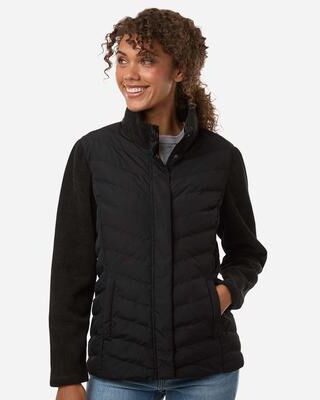
Similar search terms for Polyester
Top-Angebote
Products related to Polyester:
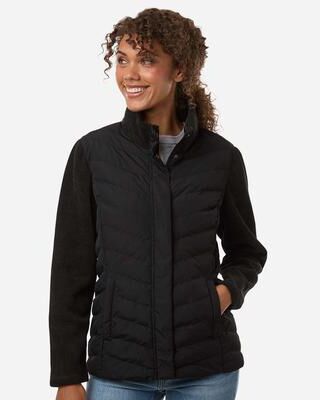

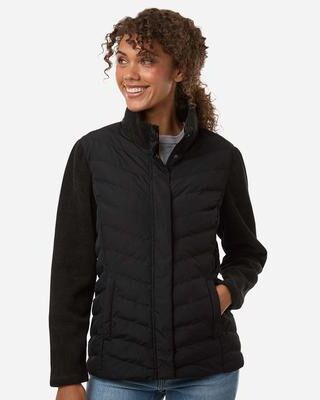
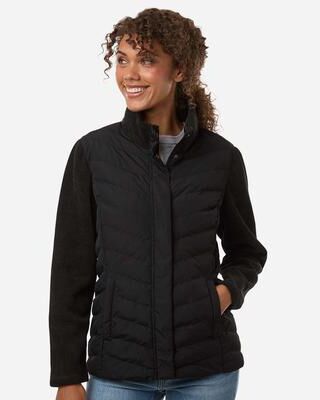
-
Is polyester stretchy?
Polyester itself is not inherently stretchy, as it is a synthetic fiber known for its durability and wrinkle resistance. However, when blended with other fibers such as spandex or elastane, polyester can become stretchy. This blend is commonly used in activewear, swimwear, and other clothing items that require stretch and flexibility. So, while pure polyester is not stretchy, it can be made stretchy when combined with other materials. **
-
Is polyester good?
Polyester has both advantages and disadvantages. It is durable, wrinkle-resistant, and retains its shape well, making it a popular choice for clothing and home textiles. However, it is not as breathable as natural fibers and can be less comfortable to wear in hot weather. Additionally, polyester is a synthetic material made from petrochemicals, which can have negative environmental impacts. Overall, whether polyester is "good" depends on the specific use and individual preferences. **
-
Is polyester waterproof?
Polyester itself is not inherently waterproof, but it can be treated with a waterproof coating or laminate to make it water-resistant or waterproof. This treatment creates a barrier that prevents water from penetrating the fabric. However, it's important to note that the level of waterproofing can vary depending on the specific treatment and construction of the polyester fabric. **
-
Which materials are fur made of polyester or polyester acrylic?
Fur is typically made of polyester acrylic, which is a synthetic material designed to mimic the look and feel of real fur. This material is often used in the production of faux fur products as a more ethical and sustainable alternative to real animal fur. Polyester, on the other hand, is a synthetic fabric commonly used in a wide range of clothing and household items, but it is not typically used to create fur-like textures. **
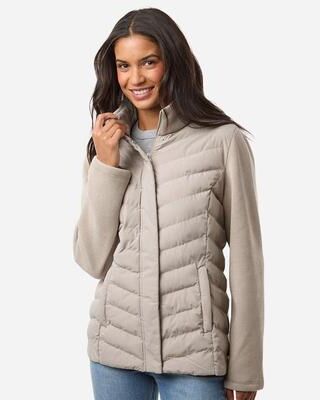

Do you like polyester?
As an AI, I do not have personal preferences or feelings. However, polyester is a popular synthetic fabric known for its durability, wrinkle resistance, and affordability. Some people like polyester for its easy care and versatility in clothing and home textiles, while others prefer natural fibers for their breathability and sustainability. Ultimately, whether someone likes polyester or not depends on their individual preferences and needs. **
Has the polyester discolored?
No, the polyester has not discolored. **
Top-Angebote
Products related to Polyester:
-
Headline James Acaster's Guide to Quitting Social MediaTHE SUNDAY TIMES BESTSELLERThis is a self-help book like no other. Because you are not helping yourself, James Acaster is helping you.In 2019, James quit all forms of social media - covering his phone in tar and driving it to a lock-up in Rhyl, before setting up home in a castle he'd built himself called Castle Anti-Net. But when the withdrawal symptoms hit him, he realised in order to stay clean he'd have to replace everything social media gave him with three-dimensional, real-life activities.Employing the help of a mysterious, wealthy benefactor named Clancy Dellahue, and an ever-growing gang of misfits (aka the Tangfastic Crew), James found ways to replace his online friends (he joined the scouts) and spy on his exes (climbing ropes, zip lines, fake moustache) as well as anonymously bullying strangers, seeing photos of everyone's dogs, getting public figures fired, arguing with everybody about everything, and so much more.His life is amazing and yours could be too if you buy JAMES ACASTER'S GUIDE TO QUITTING SOCIAL MEDIA, BEING THE BEST YOU YOU CAN BE AND SAVING YOURSELF FROM LONELINESS VOL. 1.15,99 £*Shipping: 2,99 £Secure redirect to the provider
-
What is the difference between social media and social networking?
Social media refers to online platforms that allow users to create and share content with a wide audience, while social networking specifically focuses on connecting and interacting with other users within a specific community or group. Social media platforms like Facebook, Twitter, and Instagram enable users to share content with a broad audience, whereas social networking sites like LinkedIn and Meetup are designed to facilitate connections and interactions between individuals with common interests or goals. In essence, social media is a broader term that encompasses various online platforms for sharing content, while social networking is more focused on building relationships and connections within a specific community. **
-
Can polyester shrink?
Polyester is a synthetic fabric that is known for its resistance to shrinking. Unlike natural fibers such as cotton or wool, polyester is less likely to shrink when exposed to heat or moisture. However, it is still possible for polyester to shrink under extreme conditions, such as high heat in the dryer or hot water in the washing machine. To prevent shrinking, it is recommended to follow the care instructions on the garment's label and avoid exposing polyester to high temperatures. **
-
Is polyester stretchy?
Polyester itself is not inherently stretchy, as it is a synthetic fiber known for its durability and wrinkle resistance. However, when blended with other fibers such as spandex or elastane, polyester can become stretchy. This blend is commonly used in activewear, swimwear, and other clothing items that require stretch and flexibility. So, while pure polyester is not stretchy, it can be made stretchy when combined with other materials. **
-
Is polyester good?
Polyester has both advantages and disadvantages. It is durable, wrinkle-resistant, and retains its shape well, making it a popular choice for clothing and home textiles. However, it is not as breathable as natural fibers and can be less comfortable to wear in hot weather. Additionally, polyester is a synthetic material made from petrochemicals, which can have negative environmental impacts. Overall, whether polyester is "good" depends on the specific use and individual preferences. **
Similar search terms for Polyester
-
Is polyester waterproof?
Polyester itself is not inherently waterproof, but it can be treated with a waterproof coating or laminate to make it water-resistant or waterproof. This treatment creates a barrier that prevents water from penetrating the fabric. However, it's important to note that the level of waterproofing can vary depending on the specific treatment and construction of the polyester fabric. **
-
Which materials are fur made of polyester or polyester acrylic?
Fur is typically made of polyester acrylic, which is a synthetic material designed to mimic the look and feel of real fur. This material is often used in the production of faux fur products as a more ethical and sustainable alternative to real animal fur. Polyester, on the other hand, is a synthetic fabric commonly used in a wide range of clothing and household items, but it is not typically used to create fur-like textures. **
-
Do you like polyester?
As an AI, I do not have personal preferences or feelings. However, polyester is a popular synthetic fabric known for its durability, wrinkle resistance, and affordability. Some people like polyester for its easy care and versatility in clothing and home textiles, while others prefer natural fibers for their breathability and sustainability. Ultimately, whether someone likes polyester or not depends on their individual preferences and needs. **
-
Has the polyester discolored?
No, the polyester has not discolored. **
* All prices are inclusive of VAT and, if applicable, plus shipping costs. The offer information is based on the details provided by the respective shop and is updated through automated processes. Real-time updates do not occur, so deviations can occur in individual cases. ** Note: Parts of this content were created by AI.