Buy facepages.eu ?
We are moving the project
facepages.eu .
Are you interested in purchasing the domain
facepages.eu ?
domain@kv-gmbh.de · 0541-91531010
Buy facepages.eu ?
What is the difference between social media and social networking?
Social media refers to online platforms that allow users to create and share content with a wide audience, while social networking specifically focuses on connecting and interacting with other users within a specific community or group. Social media platforms like Facebook, Twitter, and Instagram enable users to share content with a broad audience, whereas social networking sites like LinkedIn and Meetup are designed to facilitate connections and interactions between individuals with common interests or goals. In essence, social media is a broader term that encompasses various online platforms for sharing content, while social networking is more focused on building relationships and connections within a specific community. **
Who invented bacteria?
The discovery of bacteria is attributed to Dutch scientist Antonie van Leeuwenhoek. He is considered the "Father of Microbiology" and is credited with being the first person to observe and document bacteria using a microscope in the 17th century. **


Similar search terms for Bacteria
Top-Angebote
Products related to Bacteria:
-
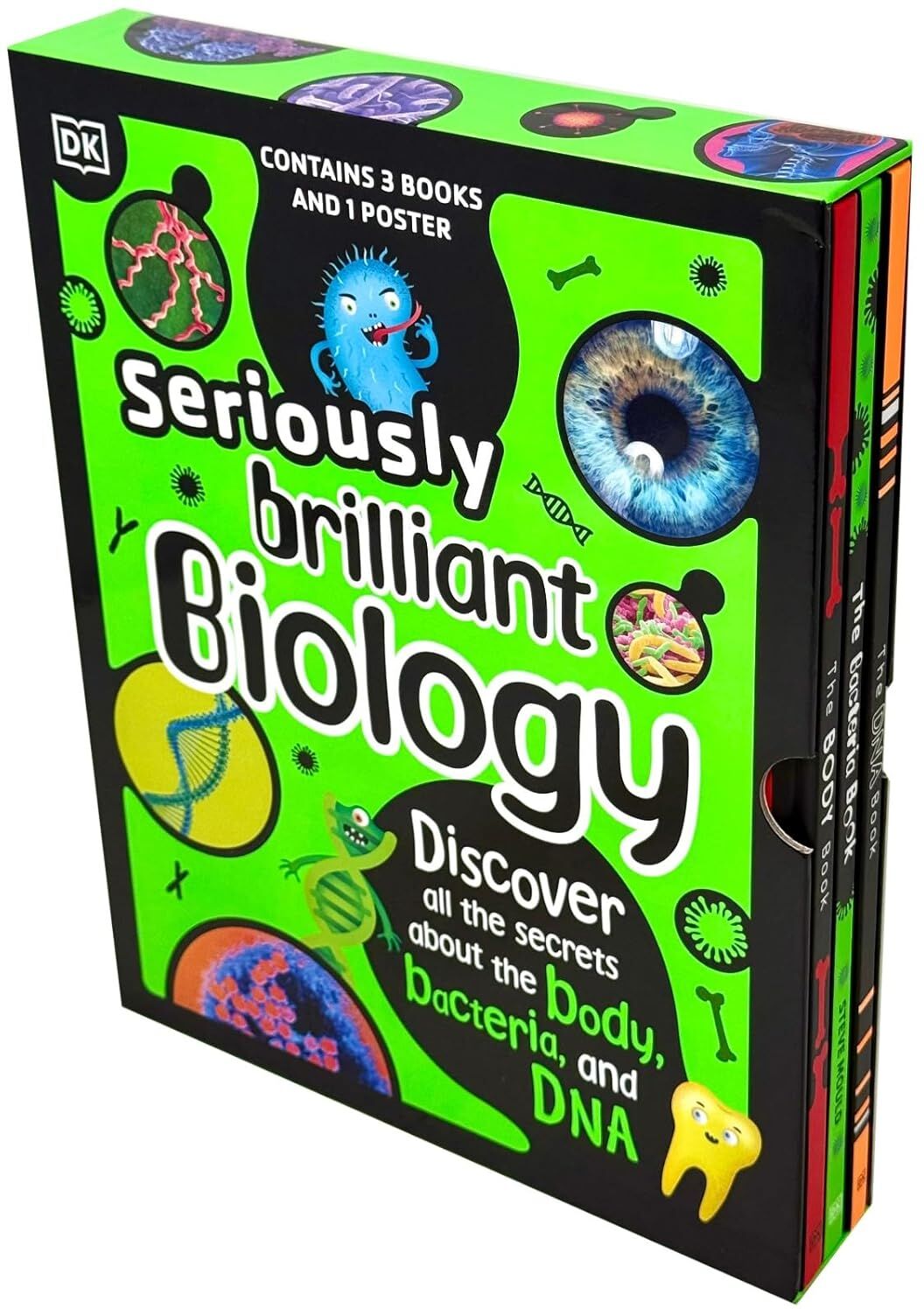
DK Children DK Seriously Brilliant Biology 3 Books Box Set and 1 Poster (The Body Book, The DNA Book and The Bacteria Book)The Body Book: It's inside every living plant and animal, from the tiniest seed to the person standing next to you, but how much do you know about DNA? This book gives children an in-depth look at DNA and its role in all living things--from why we have different-colored eyes to why we age. Discover what DNA is, what it does, and how it shapes our lives, including inheritance and why we look like our parents; forensic science and how DNA evidence helps catch criminals; and genetic engineering and if we could bring dinosaurs back to life. With fun illustrated DNA characters, clear diagrams, and astonishing photographs, children will love learning about themselves and this all-important molecule. The Body Book : Your body is awe-inspiring, amazing and miraculous. Your heart pumps blood all around your body to keep you alive and carry you around every single day. It keeps you alive and carries you around every day. But how much do you really know about what's going on beneath the surface? Jump on board as DK takes you on a fun-filled journey under your skin, through your insides, and back in time to explore milestones in medicine and the latest scientific discoveries about the human body. Are you coming? The Bacteria Book: What do glowing squid, mouldy bread, and soil creatures all have in common? They're all part of the world of microbiology! In this awesome introductory book for budding scientists, the big world of tiny organisms is revealed with remarkable photography, kooky characters, and lots of fun facts.12,99 £*Shipping: 2,99 £Secure redirect to the provider
-
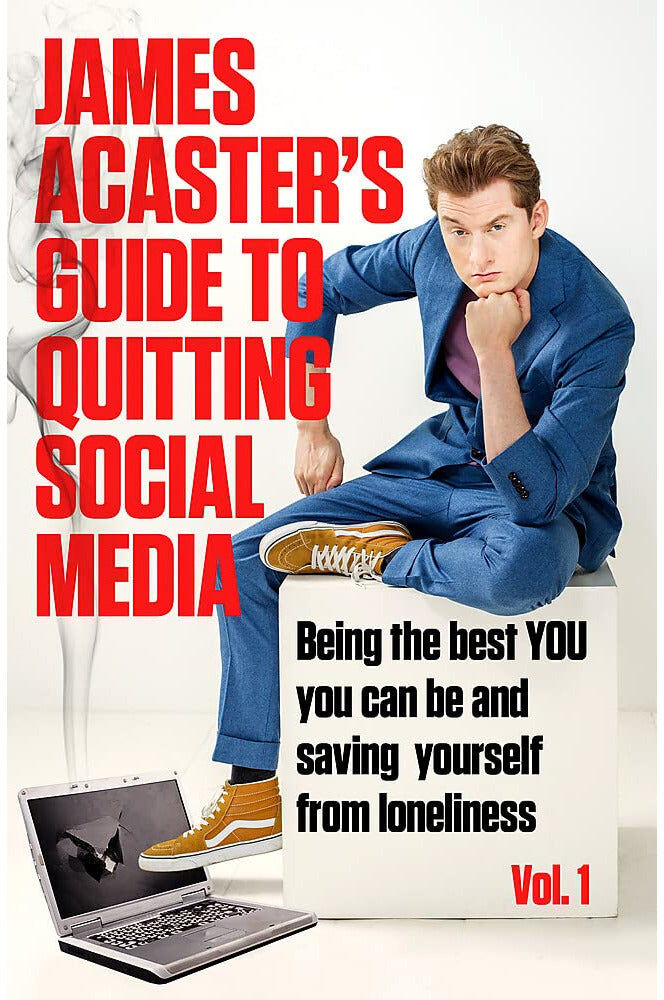
Headline James Acaster's Guide to Quitting Social MediaTHE SUNDAY TIMES BESTSELLERThis is a self-help book like no other. Because you are not helping yourself, James Acaster is helping you.In 2019, James quit all forms of social media - covering his phone in tar and driving it to a lock-up in Rhyl, before setting up home in a castle he'd built himself called Castle Anti-Net. But when the withdrawal symptoms hit him, he realised in order to stay clean he'd have to replace everything social media gave him with three-dimensional, real-life activities.Employing the help of a mysterious, wealthy benefactor named Clancy Dellahue, and an ever-growing gang of misfits (aka the Tangfastic Crew), James found ways to replace his online friends (he joined the scouts) and spy on his exes (climbing ropes, zip lines, fake moustache) as well as anonymously bullying strangers, seeing photos of everyone's dogs, getting public figures fired, arguing with everybody about everything, and so much more.His life is amazing and yours could be too if you buy JAMES ACASTER'S GUIDE TO QUITTING SOCIAL MEDIA, BEING THE BEST YOU YOU CAN BE AND SAVING YOURSELF FROM LONELINESS VOL. 1.15,99 £*Shipping: 2,99 £Secure redirect to the provider
-
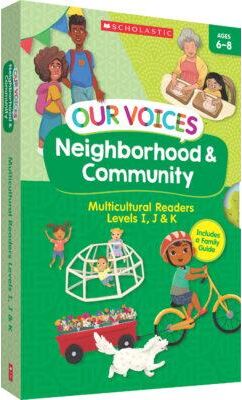
Our Voices: Neighborhood & Community Boxed SetFoster a feeling of belonging while building key reading skills with these colorful storybooks that spotlight a variety of neighborhoods and communities. The 10 charming stories feature characters from different cultural backgrounds who learn about...32,37 $*Shipping: 0,00 $Secure redirect to the provider
-
Fourth Estate The List by Yomi Adegoke - Sunday Times Bestseller - Paperback - Contemporary Social Media ThrillerThe List by Yomi Adegoke is a contemporary fiction novel published by Fourth Estate. It's a gripping thriller about reputation, betrayal, and the dark side of social media. The story follows high-flying journalist Ola Olajide as her seemingly perfect life unravels a month before her wedding, when an anonymous list resurfaces online with devastating consequences for her and her fiancé. The novel explores themes of identity, relationships, and the power of social media. A rising career, a loving fiancé, and a wedding just weeks away - Ola's life is turned upside down when she and her fiancé wake to the same unsettling message: 'Oh my god, have you seen The List?' A viral, anonymous document naming men accused of sexual misconduct has resurfaced online - and Michael's name is on it. As the countdown to the wedding continues, Ola is forced to confront the dark secrets of her fiancé and the true nature of their relationship.3,99 £*Shipping: 2,99 £Secure redirect to the provider

-
Are bacteria protists?
No, bacteria are not protists. Bacteria are single-celled microorganisms that lack a nucleus and other membrane-bound organelles, and they belong to the domain Bacteria. On the other hand, protists are a diverse group of eukaryotic microorganisms that can be single-celled or multicellular, and they belong to the domain Eukarya. Therefore, bacteria and protists are two distinct groups of microorganisms with different characteristics and evolutionary histories. **
-
Which bacteria form endospores?
Certain bacteria, such as Bacillus and Clostridium, are known to form endospores. These endospores are a dormant, tough, and non-reproductive structure that allows the bacteria to survive in harsh conditions, such as extreme temperatures, high levels of radiation, or lack of nutrients. Endospore formation is a survival mechanism for these bacteria, allowing them to remain viable until conditions become more favorable for growth and reproduction. **
-
When are bacteria useful?
Bacteria are useful in various ways, such as in the production of food and beverages (e.g., yogurt, cheese, and beer), in the decomposition of organic matter, in the nitrogen cycle, in bioremediation processes, and in the production of antibiotics and other pharmaceuticals. Additionally, bacteria play a crucial role in our digestive system by aiding in the breakdown of food and the absorption of nutrients. **
-
Are these bacteria dangerous?
The bacteria mentioned in the text, Pseudomonas aeruginosa, can be dangerous for individuals with weakened immune systems or underlying health conditions. In healthy individuals, it may not cause any harm. However, if left untreated, Pseudomonas aeruginosa infections can lead to serious complications, especially in hospital settings where it can cause healthcare-associated infections. It is important to seek medical attention if you suspect an infection with this bacteria. **

How can bacteria survive?
Bacteria can survive in various ways, including forming spores that are resistant to harsh conditions, developing antibiotic resistance through genetic mutations, and forming biofilms that protect them from environmental stress. Additionally, bacteria can adapt to different environments by utilizing various metabolic pathways to obtain nutrients and energy. Some bacteria can also exchange genetic material through horizontal gene transfer, allowing them to acquire new traits that help them survive in changing conditions. **
How do bacteria feed?
Bacteria feed by absorbing nutrients from their environment through a process called diffusion. They release enzymes that break down complex molecules into simpler forms that can be easily absorbed. Some bacteria are able to engulf food particles through a process called phagocytosis. Overall, bacteria have diverse feeding strategies and can utilize a wide range of organic and inorganic compounds for their nutrition. **
Top-Angebote
Products related to Bacteria:
-
iSpring FC15-BV Replacement Water Filter, CTO + Pleated Water Filter Cartridge for US31-BV & CW31-BV, Removes Bacteria & VirusesFeatures: Bacteria & Virus Removal: Lasts up to 12 months, the FC15-BV water filter replacement combines a pleated filter with activated carbon (CTO) to deliver superior filtration performance.62,99 $*Shipping: 0,00 $Secure redirect to the provider
-
DK Children DK Seriously Brilliant Biology 3 Books Box Set and 1 Poster (The Body Book, The DNA Book and The Bacteria Book)The Body Book: It's inside every living plant and animal, from the tiniest seed to the person standing next to you, but how much do you know about DNA? This book gives children an in-depth look at DNA and its role in all living things--from why we have different-colored eyes to why we age. Discover what DNA is, what it does, and how it shapes our lives, including inheritance and why we look like our parents; forensic science and how DNA evidence helps catch criminals; and genetic engineering and if we could bring dinosaurs back to life. With fun illustrated DNA characters, clear diagrams, and astonishing photographs, children will love learning about themselves and this all-important molecule. The Body Book : Your body is awe-inspiring, amazing and miraculous. Your heart pumps blood all around your body to keep you alive and carry you around every single day. It keeps you alive and carries you around every day. But how much do you really know about what's going on beneath the surface? Jump on board as DK takes you on a fun-filled journey under your skin, through your insides, and back in time to explore milestones in medicine and the latest scientific discoveries about the human body. Are you coming? The Bacteria Book: What do glowing squid, mouldy bread, and soil creatures all have in common? They're all part of the world of microbiology! In this awesome introductory book for budding scientists, the big world of tiny organisms is revealed with remarkable photography, kooky characters, and lots of fun facts.12,99 £*Shipping: 2,99 £Secure redirect to the provider
-
Headline James Acaster's Guide to Quitting Social MediaTHE SUNDAY TIMES BESTSELLERThis is a self-help book like no other. Because you are not helping yourself, James Acaster is helping you.In 2019, James quit all forms of social media - covering his phone in tar and driving it to a lock-up in Rhyl, before setting up home in a castle he'd built himself called Castle Anti-Net. But when the withdrawal symptoms hit him, he realised in order to stay clean he'd have to replace everything social media gave him with three-dimensional, real-life activities.Employing the help of a mysterious, wealthy benefactor named Clancy Dellahue, and an ever-growing gang of misfits (aka the Tangfastic Crew), James found ways to replace his online friends (he joined the scouts) and spy on his exes (climbing ropes, zip lines, fake moustache) as well as anonymously bullying strangers, seeing photos of everyone's dogs, getting public figures fired, arguing with everybody about everything, and so much more.His life is amazing and yours could be too if you buy JAMES ACASTER'S GUIDE TO QUITTING SOCIAL MEDIA, BEING THE BEST YOU YOU CAN BE AND SAVING YOURSELF FROM LONELINESS VOL. 1.15,99 £*Shipping: 2,99 £Secure redirect to the provider
-
What is the difference between social media and social networking?
Social media refers to online platforms that allow users to create and share content with a wide audience, while social networking specifically focuses on connecting and interacting with other users within a specific community or group. Social media platforms like Facebook, Twitter, and Instagram enable users to share content with a broad audience, whereas social networking sites like LinkedIn and Meetup are designed to facilitate connections and interactions between individuals with common interests or goals. In essence, social media is a broader term that encompasses various online platforms for sharing content, while social networking is more focused on building relationships and connections within a specific community. **
-
Who invented bacteria?
The discovery of bacteria is attributed to Dutch scientist Antonie van Leeuwenhoek. He is considered the "Father of Microbiology" and is credited with being the first person to observe and document bacteria using a microscope in the 17th century. **
-
Are bacteria protists?
No, bacteria are not protists. Bacteria are single-celled microorganisms that lack a nucleus and other membrane-bound organelles, and they belong to the domain Bacteria. On the other hand, protists are a diverse group of eukaryotic microorganisms that can be single-celled or multicellular, and they belong to the domain Eukarya. Therefore, bacteria and protists are two distinct groups of microorganisms with different characteristics and evolutionary histories. **
-
Which bacteria form endospores?
Certain bacteria, such as Bacillus and Clostridium, are known to form endospores. These endospores are a dormant, tough, and non-reproductive structure that allows the bacteria to survive in harsh conditions, such as extreme temperatures, high levels of radiation, or lack of nutrients. Endospore formation is a survival mechanism for these bacteria, allowing them to remain viable until conditions become more favorable for growth and reproduction. **
Similar search terms for Bacteria
-
Our Voices: Neighborhood & Community Boxed SetFoster a feeling of belonging while building key reading skills with these colorful storybooks that spotlight a variety of neighborhoods and communities. The 10 charming stories feature characters from different cultural backgrounds who learn about...32,37 $*Shipping: 0,00 $Secure redirect to the provider
-
Fourth Estate The List by Yomi Adegoke - Sunday Times Bestseller - Paperback - Contemporary Social Media ThrillerThe List by Yomi Adegoke is a contemporary fiction novel published by Fourth Estate. It's a gripping thriller about reputation, betrayal, and the dark side of social media. The story follows high-flying journalist Ola Olajide as her seemingly perfect life unravels a month before her wedding, when an anonymous list resurfaces online with devastating consequences for her and her fiancé. The novel explores themes of identity, relationships, and the power of social media. A rising career, a loving fiancé, and a wedding just weeks away - Ola's life is turned upside down when she and her fiancé wake to the same unsettling message: 'Oh my god, have you seen The List?' A viral, anonymous document naming men accused of sexual misconduct has resurfaced online - and Michael's name is on it. As the countdown to the wedding continues, Ola is forced to confront the dark secrets of her fiancé and the true nature of their relationship.3,99 £*Shipping: 2,99 £Secure redirect to the provider
-
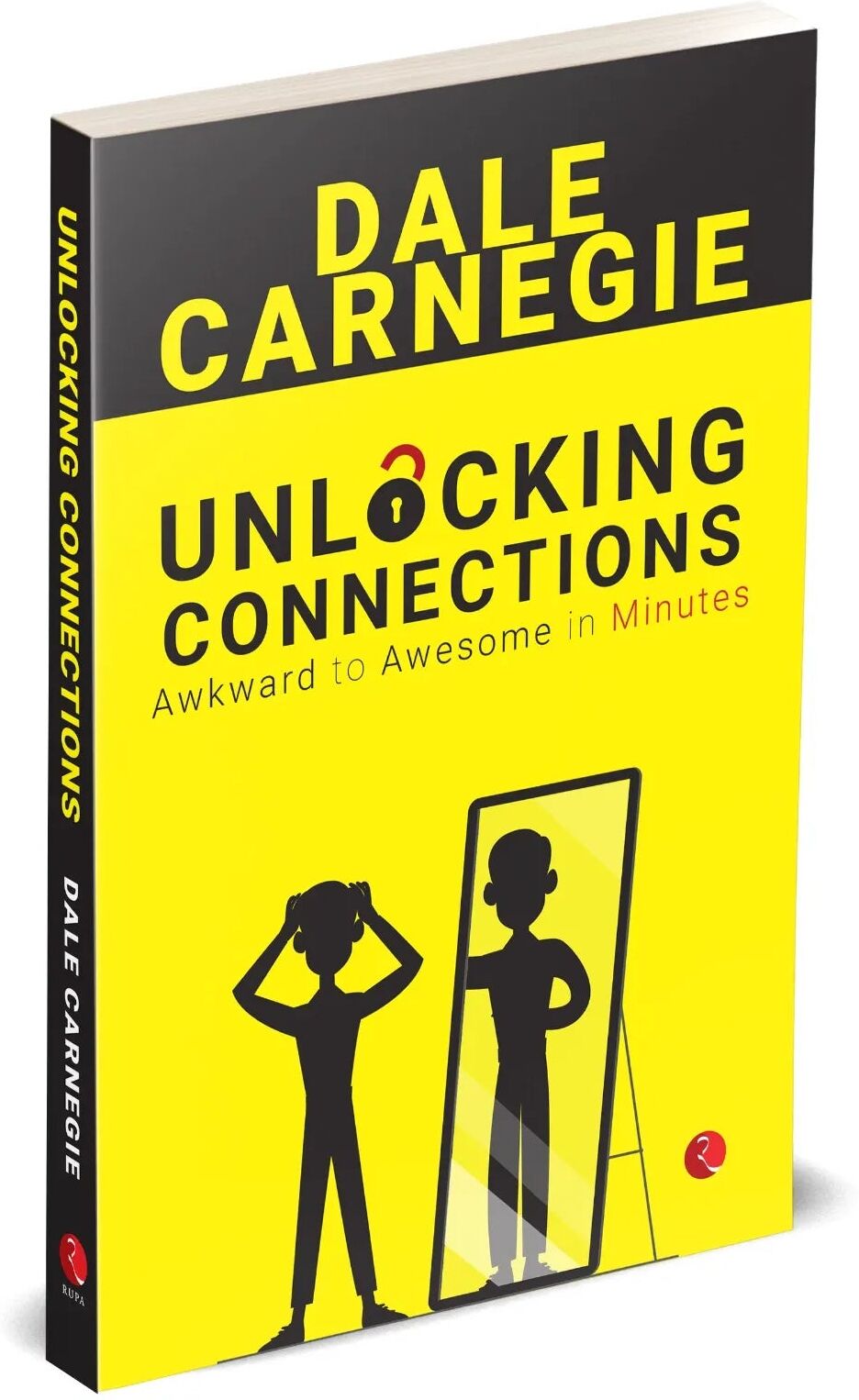
Rupa Publications India Unlocking Connections: Awkward to Awesome in Minutes by Dale Carnegie - Paperback Self-Help Book on Social Skills & Confidence - NewUnlocking Connections: Awkward to Awesome in Minutes is a practical self-help guide for anyone who finds social interactions daunting. Drawing on the enduring principles popularised by Dale Carnegie, this book breaks down the barriers that stop us forming genuine relationships, replacing awkwardness with confidence. Through clear, actionable advice, real-life case studies and simple exercises, readers are guided step by step towards more natural, meaningful conversations and lasting connections, both socially and professionally. Social interactions can feel like a minefield, but this book sets out to change that. It tackles the everyday hurdles that make conversations awkward, from misreading body language to freezing up in unfamiliar company. The book covers everything from understanding different personality types to overcoming phobias and building confidence in social situations.2,99 £*Shipping: 2,99 £Secure redirect to the provider
-
Multicon Wholesale Hub Quick Splicing Terminals, Compact Lever Wire Connectors, Safe Electrical Connections Quick Splicing Terminals, Compact Lever Wire Connectors, Safe Electrical ConnectionsCompact Lever Wire Connectors are the perfect solution for your electrical connection needs. Engineered with highquality materials, these connectors offer a reliable and efficient way to securely join wires without the need for specialized tools....55,97 $*Shipping: 0,00 $Secure redirect to the provider
-
When are bacteria useful?
Bacteria are useful in various ways, such as in the production of food and beverages (e.g., yogurt, cheese, and beer), in the decomposition of organic matter, in the nitrogen cycle, in bioremediation processes, and in the production of antibiotics and other pharmaceuticals. Additionally, bacteria play a crucial role in our digestive system by aiding in the breakdown of food and the absorption of nutrients. **
-
Are these bacteria dangerous?
The bacteria mentioned in the text, Pseudomonas aeruginosa, can be dangerous for individuals with weakened immune systems or underlying health conditions. In healthy individuals, it may not cause any harm. However, if left untreated, Pseudomonas aeruginosa infections can lead to serious complications, especially in hospital settings where it can cause healthcare-associated infections. It is important to seek medical attention if you suspect an infection with this bacteria. **
-
How can bacteria survive?
Bacteria can survive in various ways, including forming spores that are resistant to harsh conditions, developing antibiotic resistance through genetic mutations, and forming biofilms that protect them from environmental stress. Additionally, bacteria can adapt to different environments by utilizing various metabolic pathways to obtain nutrients and energy. Some bacteria can also exchange genetic material through horizontal gene transfer, allowing them to acquire new traits that help them survive in changing conditions. **
-
How do bacteria feed?
Bacteria feed by absorbing nutrients from their environment through a process called diffusion. They release enzymes that break down complex molecules into simpler forms that can be easily absorbed. Some bacteria are able to engulf food particles through a process called phagocytosis. Overall, bacteria have diverse feeding strategies and can utilize a wide range of organic and inorganic compounds for their nutrition. **
* All prices are inclusive of VAT and, if applicable, plus shipping costs. The offer information is based on the details provided by the respective shop and is updated through automated processes. Real-time updates do not occur, so deviations can occur in individual cases. ** Note: Parts of this content were created by AI.