Buy facepages.eu ?
We are moving the project
facepages.eu .
Are you interested in purchasing the domain
facepages.eu ?
domain@kv-gmbh.de · 0541-91531010
Buy facepages.eu ?
What is an economic community?
An economic community is a group of countries or regions that have agreed to cooperate in economic activities such as trade, investment, and monetary policies. Members of an economic community typically benefit from reduced trade barriers, increased market access, and improved economic growth through shared resources and expertise. Examples of economic communities include the European Union, ASEAN (Association of Southeast Asian Nations), and Mercosur (Southern Common Market). **
What are the economic and ecological aspects of social media?
The economic aspects of social media include its role in advertising and marketing, as businesses use platforms like Facebook and Instagram to reach potential customers. Social media also creates job opportunities in fields such as digital marketing and content creation. However, it can also lead to economic challenges, such as the spread of misinformation impacting consumer trust and the potential for addiction and mental health issues. Ecologically, social media has both positive and negative impacts. On one hand, it reduces the need for paper-based communication and physical travel, which can lower carbon emissions. On the other hand, the energy consumption of data centers that support social media platforms can have a significant environmental impact. Additionally, the disposal of electronic devices used to access social media can contribute to electronic waste. **
Similar search terms for Economic
Top-Angebote
Products related to Economic:
-
Crowd Games Nippon: Zaibatsu - Strategic Economic Board Game for 1-4 PlayersStrategic economic board game set during Japan's Industrial Revolution. Players invest in businesses, develop industries, lay railways, and manufacture goods. Complete contracts, pursue bonuses, and shape long-term plans. Suitable for ages 15+. Approximately 60-120 minutes.64,05 £*Shipping: 0,00 £Secure redirect to the provider
-
Roxley Games Brass: Birmingham - Economic Strategy Board Game - 30 × 29.8 × 5.2 cmBrass: Birmingham is an economic strategy board game set in Birmingham during the Industrial Revolution. Players take on the roles of competing entrepreneurs, developing industries, building networks, and managing resources as the city changes over time. This strategy game is a sequel to Brass, challenging players to plan carefully across two distinct periods. Construct industries, establish connections, and develop opportunities while responding to the changing demands of the marketplace. The game is designed by Martin Wallace and published by Roxley Games. It is supplied as a physical tabletop game, measuring approximately 30 × 29.8 × 5.2 cm. The game is made of brass-colored components.68,87 £*Shipping: 0,00 £Secure redirect to the provider
-
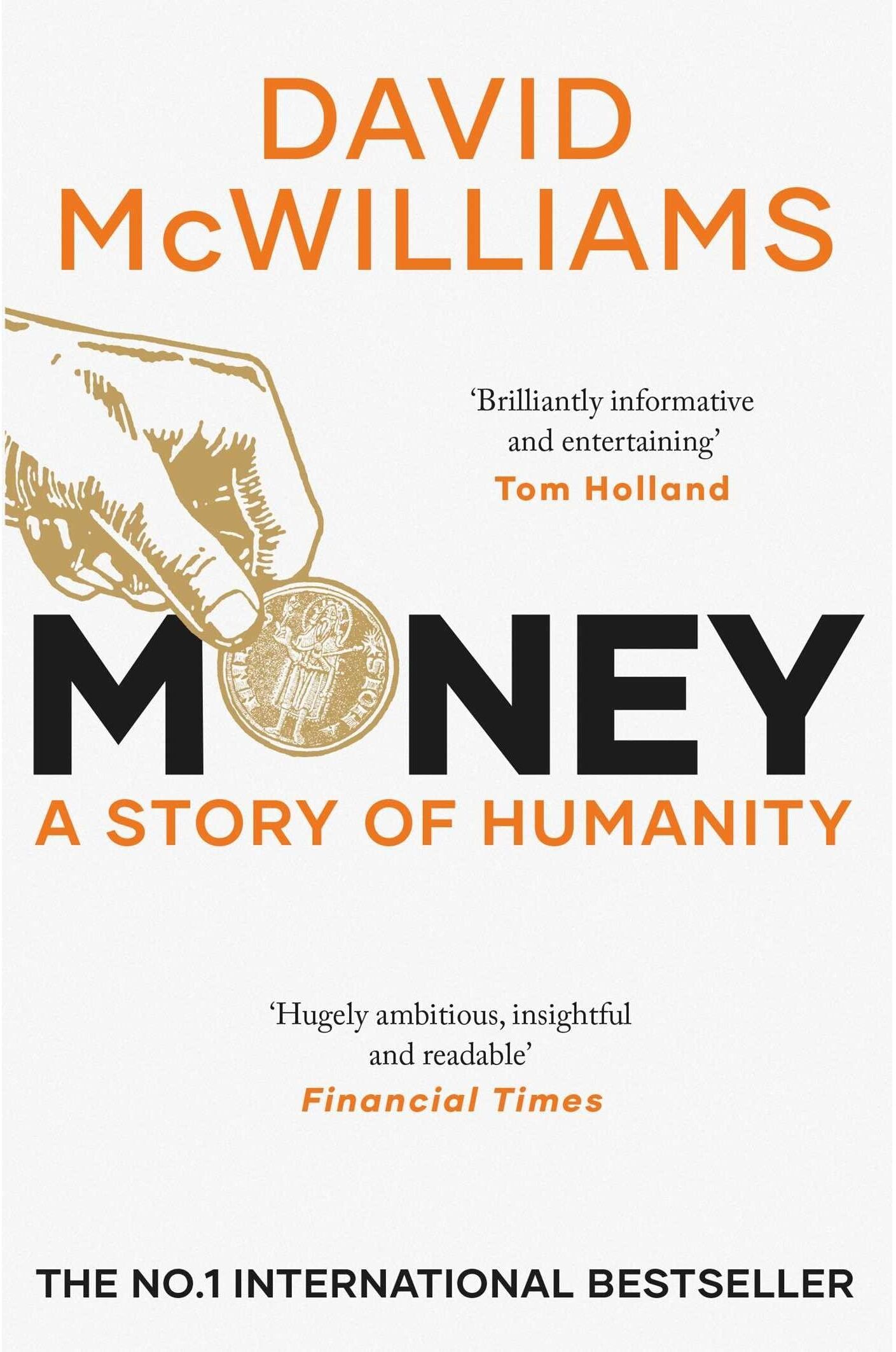
Simon & Schuster Money: A Story of Humanity by David McWilliams Economic History & Global Finance ExplainedIn Money: A Story of Humanity, renowned economist David McWilliams explores the fascinating history of money — not just as currency, but as a powerful force that has shaped human civilisation, relationships, technology, and global society. From ancient barter systems to cryptocurrency revolutions, McWilliams reveals how money reflects our values, ambitions, fears, politics, and culture.Rich with storytelling, sharp insights, and humour, this book makes complex economic ideas accessible, engaging, and deeply human. Perfect for readers who enjoy exploring how history, psychology, markets, and power intersect, Money: A Story of Humanity provides a fresh, eye-opening look at how money drives — and is driven by — human behaviour. Ideal for fans of Yuval Noah Harari, Tim Harford, Niall Ferguson, and Mary Beard.7,99 £*Shipping: 2,99 £Secure redirect to the provider
-
Board and Dice Nucleum Energy Research Institute Board Game - Strategic Economic Board Game with Energy Networks and Research DevelopmentBuild an industrial empire in an alternate twentieth century transformed by the Uranium Revolution. Compete to develop powerful energy networks, attract investment, and earn the support of influential patrons. Plan routes, expand research, and connect cities as you develop increasingly ambitious technologies. Every decision affects progress, from constructing facilities to pursuing contracts and partnerships. Resource management and long-term planning are essential to succeed.23,20 £*Shipping: 3,95 £Secure redirect to the provider



-
What is the difference between social media and social networking?
Social media refers to online platforms that allow users to create and share content with a wide audience, while social networking specifically focuses on connecting and interacting with other users within a specific community or group. Social media platforms like Facebook, Twitter, and Instagram enable users to share content with a broad audience, whereas social networking sites like LinkedIn and Meetup are designed to facilitate connections and interactions between individuals with common interests or goals. In essence, social media is a broader term that encompasses various online platforms for sharing content, while social networking is more focused on building relationships and connections within a specific community. **
-
What are social, economic, and moral incentives?
Social incentives are rewards or punishments that come from interactions with others, such as approval or disapproval from peers. Economic incentives are rewards or punishments that come from financial gains or losses, such as receiving a bonus for meeting a sales target. Moral incentives are rewards or punishments that come from adhering to or violating ethical principles, such as feeling guilt for cheating or pride for helping others. These incentives can influence behavior and decision-making in various aspects of life. **
-
How are economic cycles and economic growth related?
Economic cycles and economic growth are closely related. Economic cycles refer to the fluctuations in economic activity, including periods of expansion and contraction. Economic growth, on the other hand, refers to the long-term increase in a country's output of goods and services. During an economic expansion phase of the cycle, there is typically higher economic growth, as businesses invest and consumer spending increases. Conversely, during a contraction phase, economic growth tends to slow down or even turn negative. Therefore, economic cycles can have a significant impact on the overall level of economic growth in a country. **
-
What is the economic impact when social spending increases?
When social spending increases, it can have both positive and negative economic impacts. On the positive side, increased social spending can stimulate economic growth by putting money into the hands of those who are most likely to spend it, boosting consumer demand. This can lead to increased business activity, job creation, and overall economic expansion. However, if social spending is not managed efficiently, it can also lead to higher government deficits and debt, which may have long-term negative consequences for the economy. Therefore, it is important for policymakers to strike a balance between increasing social spending to support those in need and ensuring fiscal sustainability. **

Can one combine teaching with economic and social geography?
Yes, one can combine teaching with economic and social geography. By incorporating economic and social geography into their teaching, educators can provide students with a more comprehensive understanding of how economic systems and social structures interact and shape the world around them. This interdisciplinary approach can help students develop critical thinking skills and a deeper appreciation for the complexities of global issues. Additionally, integrating economic and social geography into teaching can help students make connections between theory and real-world applications, preparing them for future careers in fields such as urban planning, international development, and environmental sustainability. **
How does economic growth occur in the economic cycle?
Economic growth occurs in the economic cycle through a combination of factors. During the expansion phase of the cycle, businesses invest in new equipment and technology, leading to increased productivity and output. This increased production leads to higher employment levels and consumer spending, further fueling economic growth. Additionally, during this phase, consumer and business confidence is high, leading to increased investment and spending. Overall, economic growth occurs as a result of increased production, employment, and investment during the expansion phase of the economic cycle. **
Top-Angebote
Products related to Economic:
-
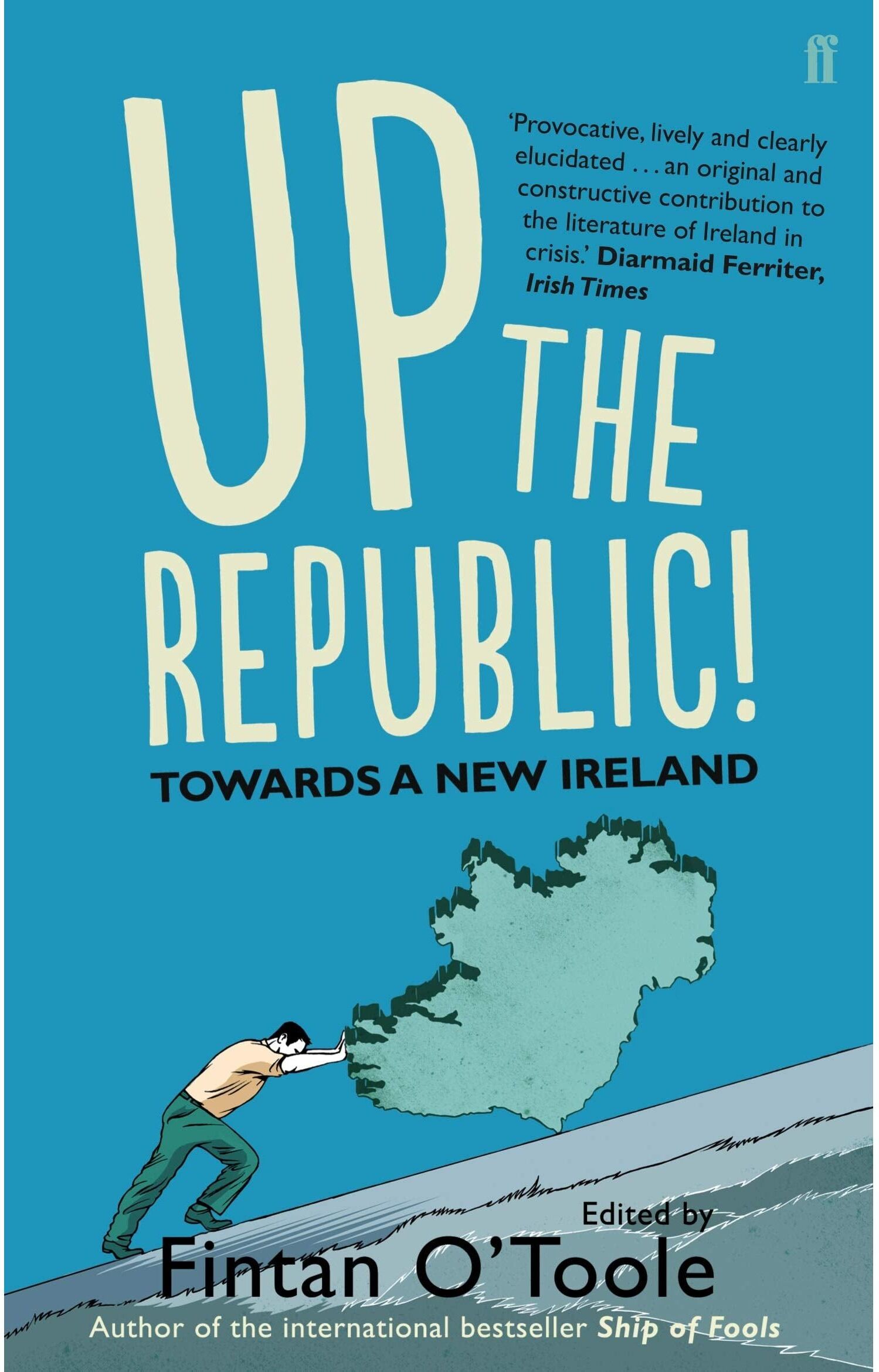
Faber Fintan O'Toole, Up the Republic! (Economic Book, Politics Book)Fintan O'Toole, Up the Republic! (Economic Book, Politics Book) In this important book, historians, lawyers, economists and writers come together to put a coherent case: that although the Irish economic collapse has resulted in national humiliation, renewed emigration and a decline in living standards for the majority of the population, there is still hope that the country can be reformed and renewed. Irish politicians offered the now notorious blanket guarantee to all the banks which had got in over their heads during the great property bubble - including one that had become little more than a criminal enterprise. A different set of politicians grimly enforces the consequences of that guarantee, locking an entire generation of Irish men and women into paying for the mistakes of greedy bankers and their corrupt friends in government. The energy of hope has to come from elsewhere. These essays demonstrate how simple measures and different economic and social policies could release that energy and fulfil the promise of an educated, literate and culturally vibrant people.4,99 £*Shipping: 1,99 £Secure redirect to the provider
-
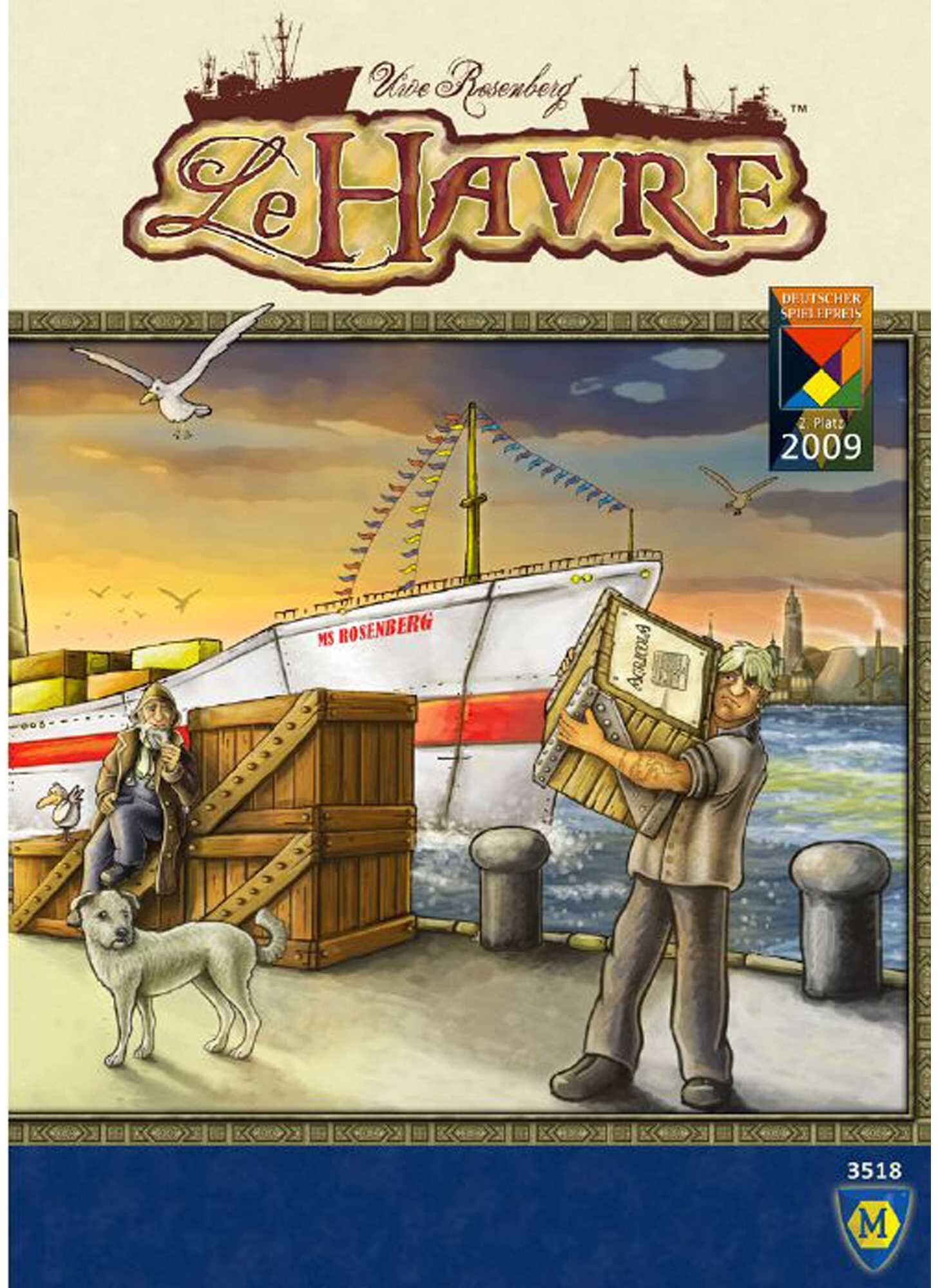
Lookout Spiele - Le Havre Strategic Board Game - Economic Strategy - Lookout SpieleBuild a thriving shipping business in the bustling port of Le Havre. This strategic board game challenges players to manage resources, develop buildings, and invest in ships as they expand their commercial empire. Each round presents important economic choices. Players acquire goods, process resources, and use the harbor's buildings to generate greater value. Careful planning is essential, as workers must be fed while investments and construction compete for limited funds and materials.43,67 £*Shipping: 3,95 £Secure redirect to the provider
-
Crowd Games Nippon: Zaibatsu - Strategic Economic Board Game for 1-4 PlayersStrategic economic board game set during Japan's Industrial Revolution. Players invest in businesses, develop industries, lay railways, and manufacture goods. Complete contracts, pursue bonuses, and shape long-term plans. Suitable for ages 15+. Approximately 60-120 minutes.64,05 £*Shipping: 0,00 £Secure redirect to the provider
-
Roxley Games Brass: Birmingham - Economic Strategy Board Game - 30 × 29.8 × 5.2 cmBrass: Birmingham is an economic strategy board game set in Birmingham during the Industrial Revolution. Players take on the roles of competing entrepreneurs, developing industries, building networks, and managing resources as the city changes over time. This strategy game is a sequel to Brass, challenging players to plan carefully across two distinct periods. Construct industries, establish connections, and develop opportunities while responding to the changing demands of the marketplace. The game is designed by Martin Wallace and published by Roxley Games. It is supplied as a physical tabletop game, measuring approximately 30 × 29.8 × 5.2 cm. The game is made of brass-colored components.68,87 £*Shipping: 0,00 £Secure redirect to the provider
-
What is an economic community?
An economic community is a group of countries or regions that have agreed to cooperate in economic activities such as trade, investment, and monetary policies. Members of an economic community typically benefit from reduced trade barriers, increased market access, and improved economic growth through shared resources and expertise. Examples of economic communities include the European Union, ASEAN (Association of Southeast Asian Nations), and Mercosur (Southern Common Market). **
-
What are the economic and ecological aspects of social media?
The economic aspects of social media include its role in advertising and marketing, as businesses use platforms like Facebook and Instagram to reach potential customers. Social media also creates job opportunities in fields such as digital marketing and content creation. However, it can also lead to economic challenges, such as the spread of misinformation impacting consumer trust and the potential for addiction and mental health issues. Ecologically, social media has both positive and negative impacts. On one hand, it reduces the need for paper-based communication and physical travel, which can lower carbon emissions. On the other hand, the energy consumption of data centers that support social media platforms can have a significant environmental impact. Additionally, the disposal of electronic devices used to access social media can contribute to electronic waste. **
-
What is the difference between social media and social networking?
Social media refers to online platforms that allow users to create and share content with a wide audience, while social networking specifically focuses on connecting and interacting with other users within a specific community or group. Social media platforms like Facebook, Twitter, and Instagram enable users to share content with a broad audience, whereas social networking sites like LinkedIn and Meetup are designed to facilitate connections and interactions between individuals with common interests or goals. In essence, social media is a broader term that encompasses various online platforms for sharing content, while social networking is more focused on building relationships and connections within a specific community. **
-
What are social, economic, and moral incentives?
Social incentives are rewards or punishments that come from interactions with others, such as approval or disapproval from peers. Economic incentives are rewards or punishments that come from financial gains or losses, such as receiving a bonus for meeting a sales target. Moral incentives are rewards or punishments that come from adhering to or violating ethical principles, such as feeling guilt for cheating or pride for helping others. These incentives can influence behavior and decision-making in various aspects of life. **
Similar search terms for Economic
-
Simon & Schuster Money: A Story of Humanity by David McWilliams Economic History & Global Finance ExplainedIn Money: A Story of Humanity, renowned economist David McWilliams explores the fascinating history of money — not just as currency, but as a powerful force that has shaped human civilisation, relationships, technology, and global society. From ancient barter systems to cryptocurrency revolutions, McWilliams reveals how money reflects our values, ambitions, fears, politics, and culture.Rich with storytelling, sharp insights, and humour, this book makes complex economic ideas accessible, engaging, and deeply human. Perfect for readers who enjoy exploring how history, psychology, markets, and power intersect, Money: A Story of Humanity provides a fresh, eye-opening look at how money drives — and is driven by — human behaviour. Ideal for fans of Yuval Noah Harari, Tim Harford, Niall Ferguson, and Mary Beard.7,99 £*Shipping: 2,99 £Secure redirect to the provider
-
Board and Dice Nucleum Energy Research Institute Board Game - Strategic Economic Board Game with Energy Networks and Research DevelopmentBuild an industrial empire in an alternate twentieth century transformed by the Uranium Revolution. Compete to develop powerful energy networks, attract investment, and earn the support of influential patrons. Plan routes, expand research, and connect cities as you develop increasingly ambitious technologies. Every decision affects progress, from constructing facilities to pursuing contracts and partnerships. Resource management and long-term planning are essential to succeed.23,20 £*Shipping: 3,95 £Secure redirect to the provider
-
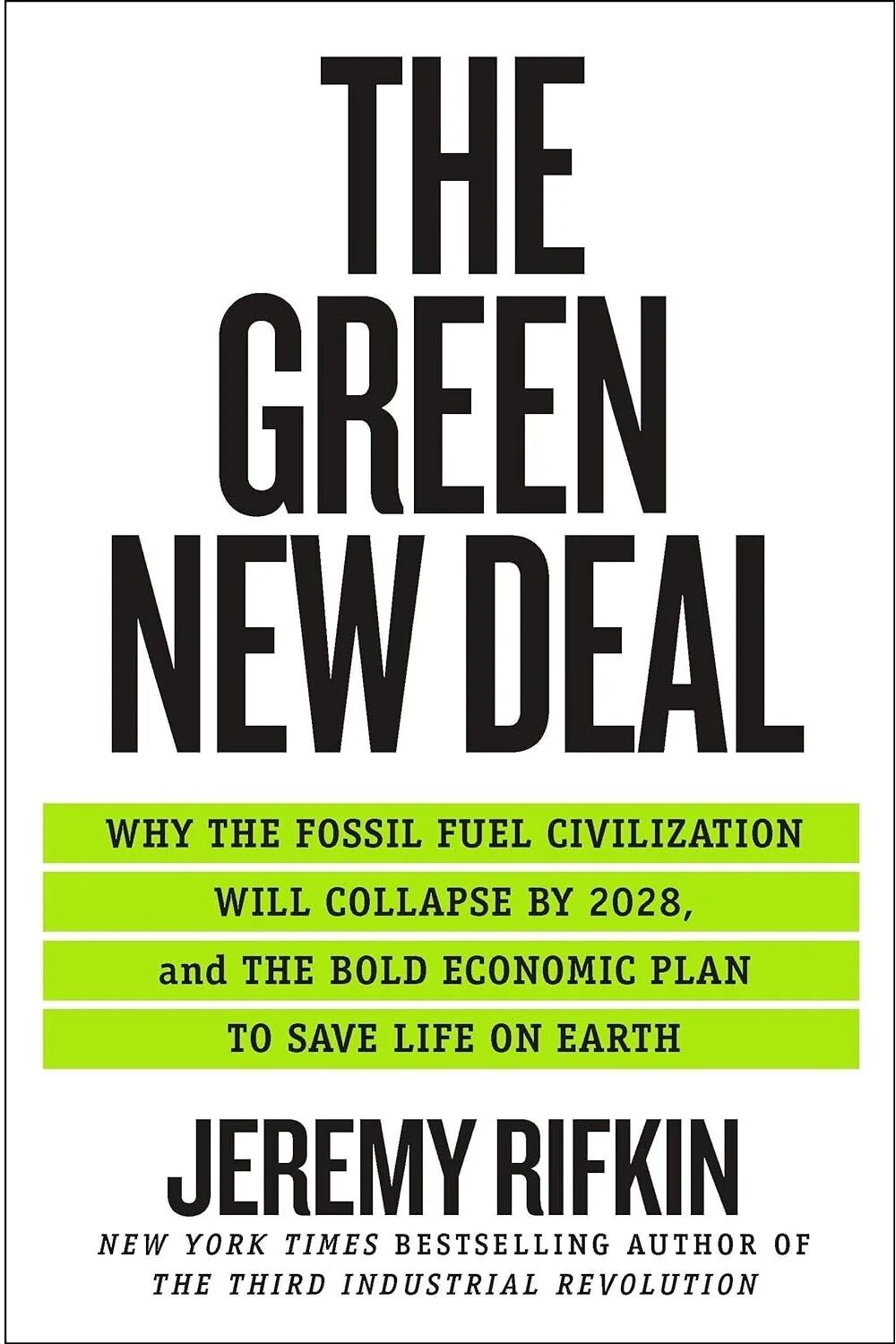
St. Martin's Press The Green New Deal by Jeremy Rifkin - Hardback Non Fiction - Bold Economic Plan for Climate Change and a Post-Carbon FutureThe Green New Deal by Jeremy Rifkin is a non-fiction hardback book that presents an urgent case for why the fossil fuel era is heading for collapse. Written by a New York Times bestselling economic theorist, this book offers sharp analysis for readers interested in climate policy, sustainable economics, and the future of global energy markets. Jeremy Rifkin argues that a convergence of collapsing fossil fuel asset values and a rising green political movement creates a genuine opportunity to pivot the global economy away from carbon before catastrophic climate tipping points are reached. Drawing on twenty-five years of experience helping design Green New Deal-style transitions for the European Union and China, Rifkin explains how a bold economic plan can steer society toward a post-carbon future. Published by St. Martin's Press, this book is suitable for adult readers interested in non-fiction topics.5,99 £*Shipping: 2,99 £Secure redirect to the provider
-
Headline James Acaster's Guide to Quitting Social MediaTHE SUNDAY TIMES BESTSELLERThis is a self-help book like no other. Because you are not helping yourself, James Acaster is helping you.In 2019, James quit all forms of social media - covering his phone in tar and driving it to a lock-up in Rhyl, before setting up home in a castle he'd built himself called Castle Anti-Net. But when the withdrawal symptoms hit him, he realised in order to stay clean he'd have to replace everything social media gave him with three-dimensional, real-life activities.Employing the help of a mysterious, wealthy benefactor named Clancy Dellahue, and an ever-growing gang of misfits (aka the Tangfastic Crew), James found ways to replace his online friends (he joined the scouts) and spy on his exes (climbing ropes, zip lines, fake moustache) as well as anonymously bullying strangers, seeing photos of everyone's dogs, getting public figures fired, arguing with everybody about everything, and so much more.His life is amazing and yours could be too if you buy JAMES ACASTER'S GUIDE TO QUITTING SOCIAL MEDIA, BEING THE BEST YOU YOU CAN BE AND SAVING YOURSELF FROM LONELINESS VOL. 1.15,99 £*Shipping: 2,99 £Secure redirect to the provider
-
How are economic cycles and economic growth related?
Economic cycles and economic growth are closely related. Economic cycles refer to the fluctuations in economic activity, including periods of expansion and contraction. Economic growth, on the other hand, refers to the long-term increase in a country's output of goods and services. During an economic expansion phase of the cycle, there is typically higher economic growth, as businesses invest and consumer spending increases. Conversely, during a contraction phase, economic growth tends to slow down or even turn negative. Therefore, economic cycles can have a significant impact on the overall level of economic growth in a country. **
-
What is the economic impact when social spending increases?
When social spending increases, it can have both positive and negative economic impacts. On the positive side, increased social spending can stimulate economic growth by putting money into the hands of those who are most likely to spend it, boosting consumer demand. This can lead to increased business activity, job creation, and overall economic expansion. However, if social spending is not managed efficiently, it can also lead to higher government deficits and debt, which may have long-term negative consequences for the economy. Therefore, it is important for policymakers to strike a balance between increasing social spending to support those in need and ensuring fiscal sustainability. **
-
Can one combine teaching with economic and social geography?
Yes, one can combine teaching with economic and social geography. By incorporating economic and social geography into their teaching, educators can provide students with a more comprehensive understanding of how economic systems and social structures interact and shape the world around them. This interdisciplinary approach can help students develop critical thinking skills and a deeper appreciation for the complexities of global issues. Additionally, integrating economic and social geography into teaching can help students make connections between theory and real-world applications, preparing them for future careers in fields such as urban planning, international development, and environmental sustainability. **
-
How does economic growth occur in the economic cycle?
Economic growth occurs in the economic cycle through a combination of factors. During the expansion phase of the cycle, businesses invest in new equipment and technology, leading to increased productivity and output. This increased production leads to higher employment levels and consumer spending, further fueling economic growth. Additionally, during this phase, consumer and business confidence is high, leading to increased investment and spending. Overall, economic growth occurs as a result of increased production, employment, and investment during the expansion phase of the economic cycle. **
* All prices are inclusive of VAT and, if applicable, plus shipping costs. The offer information is based on the details provided by the respective shop and is updated through automated processes. Real-time updates do not occur, so deviations can occur in individual cases. ** Note: Parts of this content were created by AI.